The Banking Innovation That Accidentally Revolutionized How America Eats
The Bank That Didn't Want to See Its Customers
In 1930, the Exchange National Bank of Chicago opened a revolutionary new branch in a suburb that would change American commerce forever. Not because of their interest rates or loan policies, but because they installed something that had never existed before: a drive-through window. The bank's management simply wanted to serve customers who preferred to conduct business from their automobiles. They had no idea they were creating the template for how Americans would eventually buy everything from hamburgers to prescription drugs.
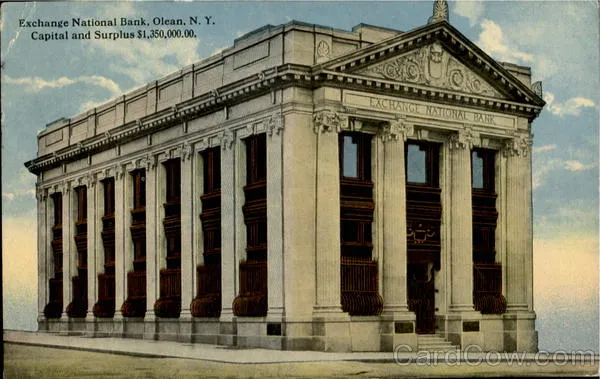 Photo: Exchange National Bank of Chicago, via www.cardcow.com
The concept seemed almost absurdly simple: instead of requiring customers to park, walk inside, and wait in line, why not let them drive up to a window and complete their transactions without leaving their cars? In 1930s America, where automobile ownership was rapidly expanding but still felt luxurious, this represented the ultimate in customer convenience.
The bank's drive-through window featured pneumatic tubes that could transport cash, checks, and documents between tellers and customers—technology borrowed from department stores that used similar systems to move money between floors. What started as a minor customer service innovation was about to reshape the entire American retail landscape.
From Banking to Burgers: The Unexpected Evolution
For nearly three decades, drive-through windows remained primarily a banking innovation. A few banks across the country adopted similar systems, but the concept didn't migrate beyond financial services. The drive-through window was seen as a specialized solution for a specific industry, not a revolutionary retail concept.
That changed in 1947 when Red's Giant Hamburg in Springfield, Missouri, opened America's first drive-through restaurant. Red's borrowed the banking industry's basic concept but simplified it dramatically—instead of pneumatic tubes and complex transaction systems, they simply had customers drive up to a window and order food directly from kitchen staff.
The timing was perfect. Post-war America was experiencing unprecedented automobile ownership, suburban expansion, and disposable income. Families who had spent years dealing with wartime rationing and restrictions were eager to embrace convenience and speed. Red's Giant Hamburg proved that Americans would gladly pay for the privilege of not getting out of their cars.
The McDonald's Brothers Perfect the Formula
While Red's Giant Hamburg pioneered restaurant drive-throughs, it was the McDonald's brothers in San Bernardino, California, who recognized the concept's true potential. In 1948, Richard and Maurice McDonald redesigned their restaurant around what they called the "Speedee Service System"—an assembly-line approach to food preparation that could serve customers in seconds rather than minutes.
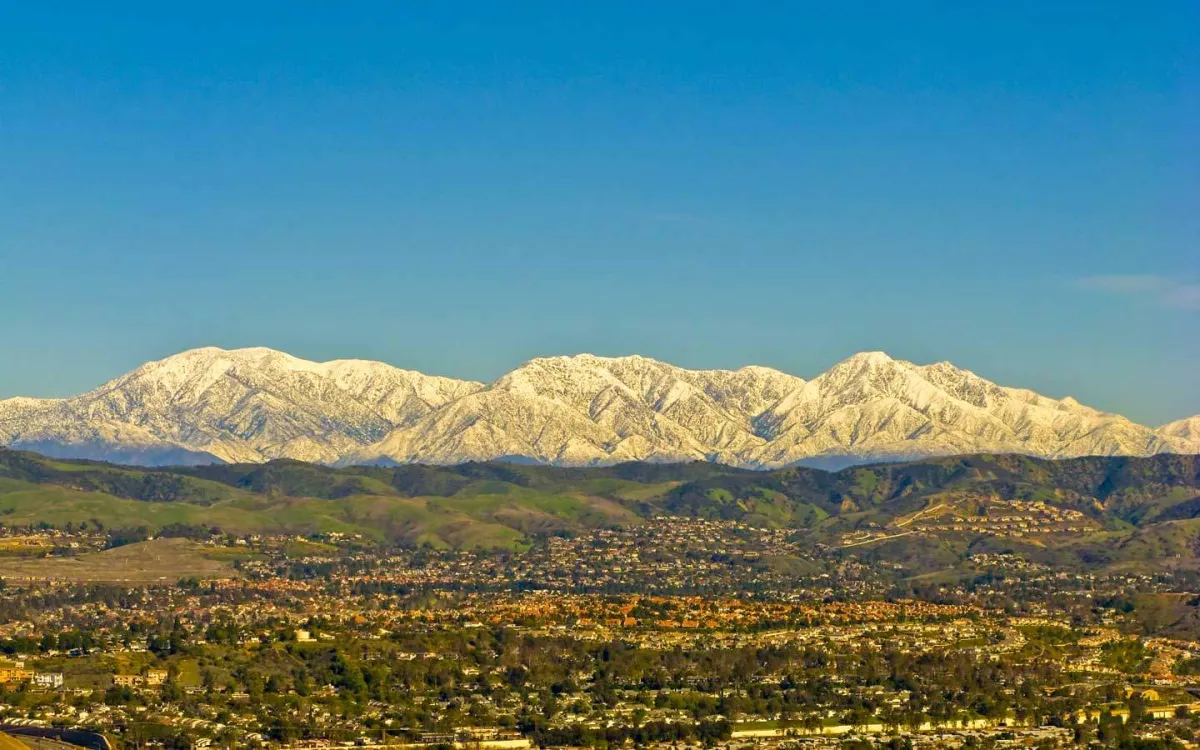 Photo: San Bernardino, via www.cityof.com
The McDonald's innovation wasn't just about speed; it was about predictability. Every burger was identical, every order followed the same process, and every customer experience was standardized. When they added drive-through windows in the early 1950s, they created something unprecedented: a retail system that could serve customers faster than they could walk into a traditional restaurant.
This combination of speed, standardization, and convenience proved irresistible to American consumers. By the late 1950s, McDonald's franchises across the country were installing drive-through windows, and competing chains scrambled to copy the concept.
The Architecture of American Impatience
The drive-through window fundamentally altered American commercial architecture and urban planning. Restaurants began designing buildings specifically around automobile access, with drive-through lanes becoming as important as dining rooms. Parking lots expanded, building footprints changed, and entire shopping centers began organizing themselves around the assumption that customers would remain in their vehicles.
By the 1970s, the drive-through concept had escaped the restaurant industry entirely. Pharmacies, dry cleaners, liquor stores, and even wedding chapels began offering drive-through services. Las Vegas wedding chapels became particularly famous for their drive-through ceremonies, allowing couples to get married without leaving their cars—a perfect symbol of American efficiency applied to romance.
Banks, meanwhile, had evolved their original drive-through concept into elaborate systems with multiple lanes, pneumatic tube networks, and eventually automated teller machines. The industry that had invented the drive-through window found itself competing with restaurants and retailers who had perfected the customer experience they had pioneered.
The Digital Revolution of Physical Convenience
The rise of internet commerce in the 1990s and 2000s might have threatened the drive-through concept, but instead it enhanced it. Online ordering systems allowed customers to place drive-through orders before arriving at restaurants, reducing wait times and increasing throughput. Mobile apps transformed drive-through lanes into digital fulfillment centers where customers could pick up pre-ordered items without human interaction.
The COVID-19 pandemic accelerated this evolution dramatically. Drive-through windows, originally designed for convenience, became essential infrastructure for contactless commerce. Restaurants that had never offered drive-through service scrambled to install temporary windows, while existing drive-through operations saw volume increases of 50% or more.
Today, Americans conduct over 6 billion drive-through transactions annually, spending more than $200 billion without ever leaving their vehicles. The concept that began as a banking convenience has become so embedded in American commercial culture that many businesses consider drive-through access essential for survival.
The Psychology of Staying Seated
The drive-through window's success reveals something fundamental about American consumer psychology: our willingness to pay for the preservation of momentum. Getting out of a car, walking into a building, waiting in line, and returning to the vehicle represents a series of small inconveniences that Americans have decided they'd rather avoid.
This preference for remaining seated has shaped not just how Americans buy things, but how American businesses operate. Drive-through lanes require different staffing models, inventory systems, and customer service approaches than traditional retail. Entire industries have reorganized themselves around the assumption that customers want to minimize physical effort while maximizing convenience.
From Innovation to Infrastructure
The drive-through window's journey from banking novelty to retail necessity demonstrates how seemingly minor innovations can fundamentally reshape daily life. What began as one Missouri bank's attempt to serve customers more conveniently became the foundation for how Americans conduct billions of commercial transactions annually.
The next time you pull up to a drive-through window—whether for coffee, prescriptions, or fast food—remember that you're participating in a commercial ritual that began with bankers who simply didn't want their customers to have to park their cars. That small convenience decision in 1930 quietly revolutionized American retail, proving that sometimes the most transformative innovations are the ones that simply make ordinary tasks slightly easier.
The drive-through window didn't just change how Americans buy things; it changed what Americans expect from the buying experience itself. We've become a nation that values speed and convenience so highly that we've restructured entire industries around the simple desire to remain seated.