The Bootlegger's Schedule That Became America's Favorite After-Work Tradition
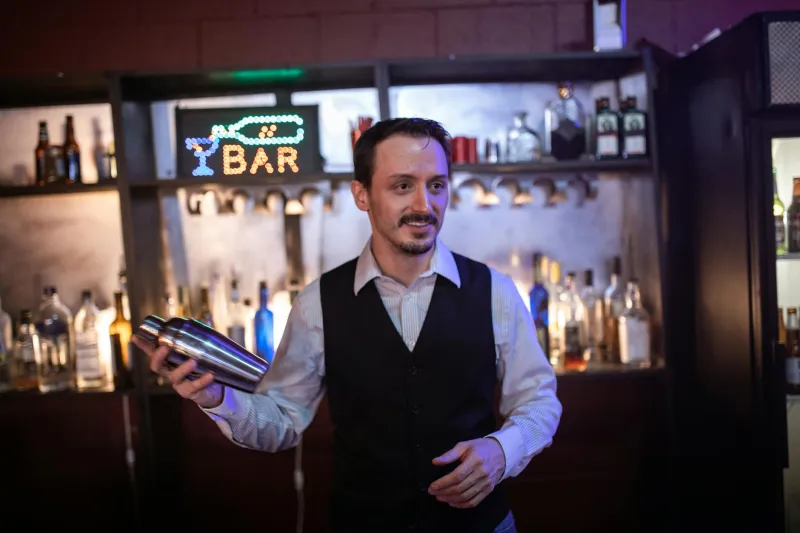
Every weekday at 5 PM, millions of Americans perform the same ritual. They loosen their ties, grab their coats, and head to the nearest bar for discounted drinks and cheap appetizers. It's called happy hour, and it feels as American as baseball and apple pie. But this beloved tradition has one of the strangest origin stories in American culture—involving bootleggers, sailors, and a drunk accountant who accidentally changed how an entire nation unwinds.
The Criminal Masterminds of Prohibition
The year was 1923, and America was three years into the "noble experiment" of Prohibition. Alcohol was illegal, but that didn't stop people from drinking—it just made them more creative about when and where they did it.
Enter the bootleggers of New York City, who faced a unique logistical challenge. Their customers wanted to drink before heading to underground dinner parties, but these illegal gatherings didn't start until well after dark for obvious reasons. The solution? A concentrated drinking period squeezed into the late afternoon hours, typically between 4 and 6 PM.
This wasn't random timing. Bootleggers discovered that this window offered the perfect cover. Police were changing shifts, legitimate businesses were closing, and the streets had just enough foot traffic to provide anonymity without drawing attention. They called it their "happy hour"—a time when customers could drink quickly, get pleasantly buzzed, and then disappear into the night for their illegal dinner parties.
The term itself came from speakeasy slang. Customers weren't just drinking during this period—they were cramming in as much happiness as possible before the evening's main event. It was rushed joy, concentrated fun, and it worked perfectly.
From Speakeasies to Ship Decks
When Prohibition ended in 1933, most people assumed the concentrated drinking ritual would disappear with it. They were wrong. The U.S. Navy, of all organizations, kept the tradition alive—though for completely different reasons.
Naval commanders had noticed something during the final years of Prohibition: sailors returning from shore leave seemed more relaxed and better-behaved when they'd had structured social time before dinner. In 1938, the Navy officially adopted "happy hour" as a morale-boosting entertainment period aboard ships.
But this wasn't about alcohol—Navy ships were dry. Instead, happy hour became a time for boxing matches, music performances, and social activities. Sailors would gather on deck between 4 and 6 PM for organized entertainment designed to boost spirits before the evening meal. The timing was identical to the old bootlegger schedule, but the purpose had completely transformed.
The Navy's version spread throughout the military during World War II. Millions of American servicemen experienced this structured social period, creating muscle memory for the 4-to-6 PM wind-down ritual that would prove crucial when they returned to civilian life.
The Accountant's Accidental Revolution
This is where our drunk accountant enters the story. His name was Bill Murphy, and in 1947, he managed the books for a struggling bar in Chicago called The Pump Room. Murphy had a drinking problem, but he also had a keen eye for patterns in customer behavior.
Murphy noticed something strange in the receipts. The bar was busiest between 4 and 6 PM on weekdays, filled with returning veterans who seemed to instinctively gather during those exact hours. But profits were terrible during this peak period because customers would nurse single drinks while socializing—exactly like they'd learned to do during their Navy happy hours.
One particularly boozy evening, Murphy scribbled a note in the margin of his ledger: "What if we made the drinks cheaper when it's busy?" The logic was backwards—most businesses charge more during peak hours, not less. But Murphy was drunk, and backwards logic sometimes works.
He convinced the bar owner to try an experiment: discounted drinks and free snacks between 4 and 6 PM on weekdays. They called it "happy hour," borrowing the Navy term that many of their veteran customers already knew.
The results were immediate and dramatic. Instead of nursing single drinks, customers bought multiple discounted cocktails. The free snacks made them thirstier, leading to even more drink sales. Most importantly, the time limit created urgency—customers felt compelled to take advantage of the deal before it disappeared at 6 PM.
The Ritual Spreads Across America
Word of The Pump Room's success spread through Chicago's hospitality industry like wildfire. Within two years, dozens of bars had copied the format. By 1950, happy hour had jumped to New York, Los Angeles, and every major American city.
The timing wasn't coincidental. Post-war America was experiencing unprecedented prosperity, and millions of veterans were settling into office jobs with regular 9-to-5 schedules. Happy hour perfectly bridged their workday and evening social life, providing a structured transition that felt familiar from their military experience.
Restaurant chains began standardizing the format in the 1960s. TGI Friday's, which opened in 1965, built its entire brand around the happy hour concept, complete with brass rails and fern bars designed to encourage after-work socializing. The company's marketing explicitly targeted office workers looking to "blow off steam" between work and home—exactly the demographic that bootleggers had accidentally discovered forty years earlier.
The Accidental American Institution
Today, happy hour generates over $50 billion annually in the United States. It's become so embedded in American work culture that many employees plan their entire day around it. The 4-to-6 PM timing remains virtually unchanged from the original bootlegger schedule, and the basic concept—concentrated socializing with discounted alcohol—is identical to what those Prohibition-era criminals pioneered.
None of this was planned. Bootleggers were just trying to avoid police. The Navy was trying to boost morale. Bill Murphy was just trying to solve a cash flow problem. But their accidental collaboration created one of America's most enduring social rituals.
Every time you check your watch at 4:30 PM and think about heading to happy hour, you're participating in a tradition that began with criminals timing their operations around police shift changes. It's a perfect example of how America's most beloved customs often have the most unexpected origins—and how sometimes the best ideas come from the most unlikely sources.