The Cleaning Product That Accidentally Became America's Favorite Childhood Memory
When Wallpaper Paste Nearly Poisoned a Generation
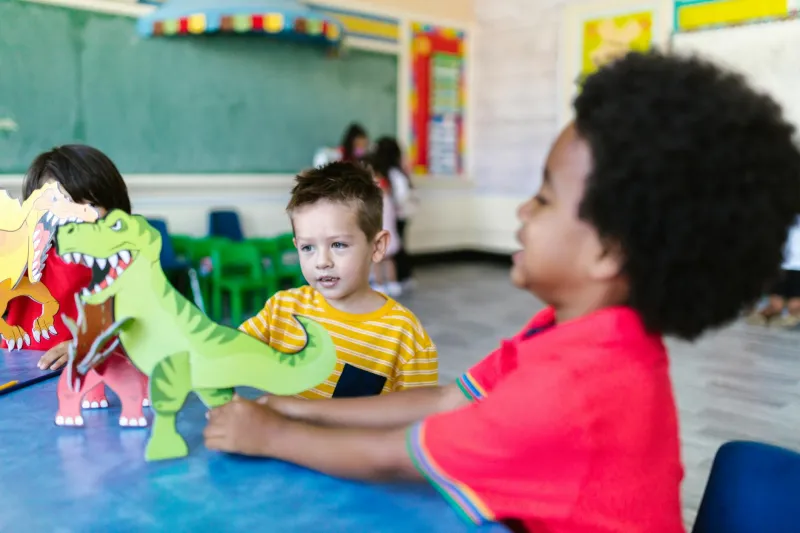
In the early 1950s, Kay Zufall had a problem that would horrify any modern parent. The nursery school teacher at the Kutol Products company's demonstration school in Cincinnati kept catching her young students peeling strips of wallpaper paste off the walls and eating them like candy. The paste contained lead and other toxic chemicals — a deadly snack that could cause serious poisoning.
Zufall knew she needed a safer alternative for the modeling clay activities that were becoming popular in classrooms across America. What she didn't know was that the solution was literally sitting in a warehouse across town, gathering dust and threatening to bankrupt her brother-in-law's struggling company.
The Failed Fortune of Kutol Products
Joe McVicker had inherited Kutol Products from his father, and by 1955, the company was on life support. Their main product was a putty-like substance designed to clean coal soot off wallpaper — a necessity in the days when most American homes were heated by coal furnaces. But as natural gas and oil heating became standard, demand for wallpaper cleaner evaporated almost overnight.
The cleaning compound had a peculiar consistency: soft and pliable when cool, but firm enough to lift dirt and grime when pressed against surfaces. McVicker had warehouses full of the stuff and no idea what to do with it. Bankruptcy seemed inevitable.
The Teacher's Eureka Moment
When Zufall mentioned her classroom dilemma to her brother-in-law, McVicker had a wild idea. What if they removed the detergent from the wallpaper cleaner and added some coloring? The base formula was already non-toxic flour, water, salt, and boric acid — essentially an edible paste that could be safely handled by children.
Zufall tested the modified compound with her students in late 1955. The kids loved it. Unlike traditional modeling clay, this new substance stayed soft and pliable, didn't crumble or dry out quickly, and came in bright colors that captured young imaginations. Word spread to other teachers, and soon McVicker was getting orders from schools across Cincinnati.
The Birth of an American Icon
McVicker and Zufall knew they had stumbled onto something bigger than a classroom supply. They refined the formula, developed better colors, and in 1956 launched their creation under a new name: Play-Doh. The hyphenated name was McVicker's idea — he wanted something that sounded both playful and sophisticated.
The timing couldn't have been better. Post-war America was experiencing an unprecedented baby boom, and parents were eager to buy educational toys for their children. Department stores like Woodward & Lothrop in Washington, D.C., began stocking Play-Doh, and sales exploded.
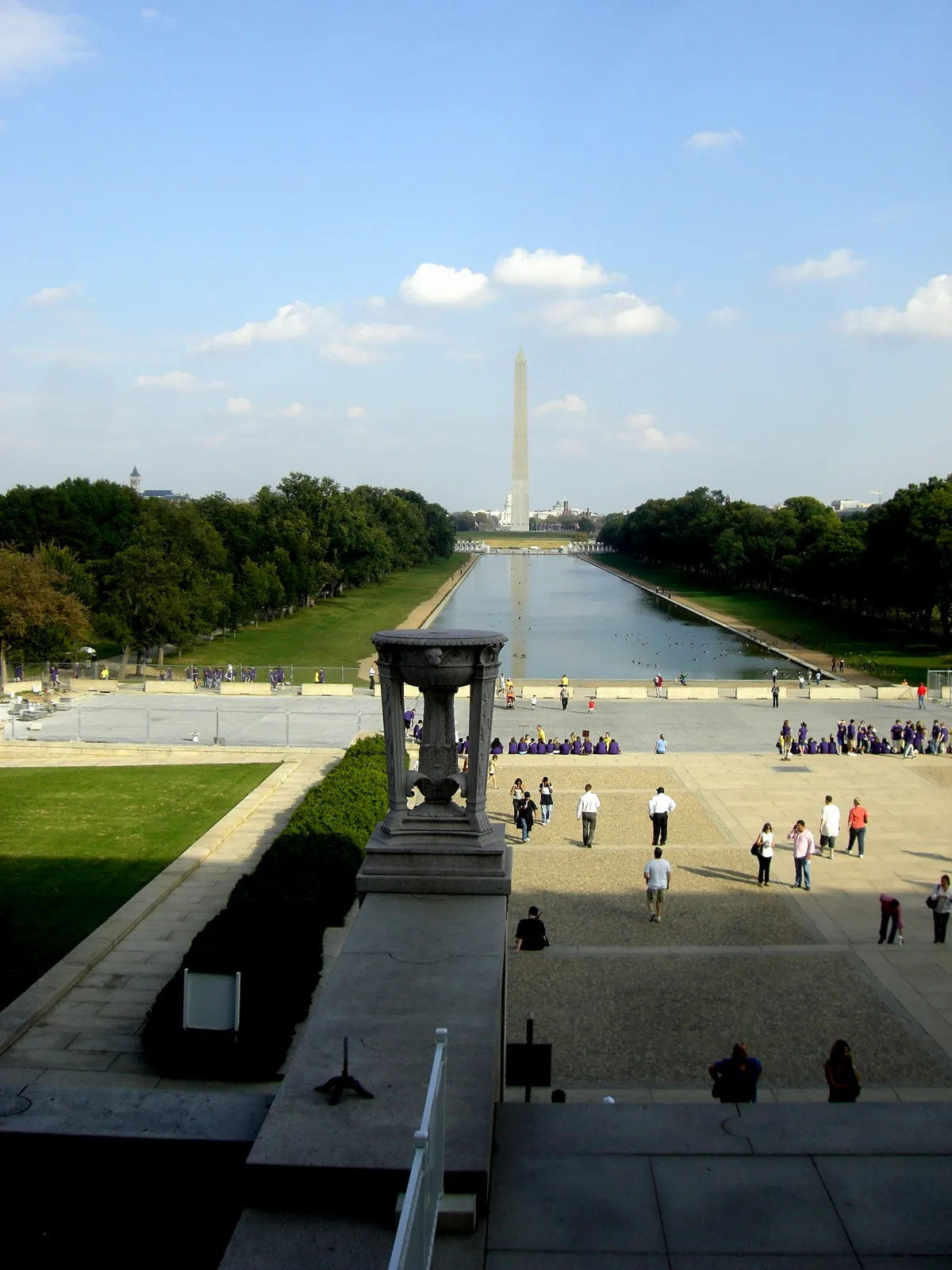 Photo: Washington, D.C., via jooinn.com
By 1957, McVicker had sold the rights to Rainbow Crafts, a subsidiary of General Mills, for $3 million — equivalent to about $30 million today. The failed wallpaper cleaner had become one of the most successful toy launches in American history.
The Secret Formula Wars
What many people don't realize is that Play-Doh's exact formula remains one of the most closely guarded trade secrets in American business. Hasbro, which acquired the brand in 1991, keeps the recipe locked in a vault and requires employees who know it to sign extensive non-disclosure agreements.
The secrecy has led to decades of legal battles with competitors trying to reverse-engineer the formula. In 1994, a former Hasbro chemist was sued for allegedly stealing Play-Doh secrets to create a competing product. The case revealed that the company employs food scientists, not toy engineers, to maintain the compound — a reminder of its edible origins.
The Unexpected Legacy
Today, more than 3 billion cans of Play-Doh have been sold worldwide, with enough compound produced to build a replica of the Empire State Building. The substance that once cleaned coal soot off Depression-era wallpaper now generates over $500 million in annual revenue.
 Photo: Empire State Building, via destinationlesstravel.com
But perhaps the most remarkable part of this story is how a teacher's simple observation about children's safety created an entirely new category of educational toy. Kay Zufall's concern about her students eating toxic paste didn't just save those kids from lead poisoning — it accidentally gave generations of American children their first creative medium.
Every time a child opens a can of Play-Doh, they're playing with a substance that was never meant to be a toy. It's a reminder that some of our most cherished innovations come not from grand design, but from ordinary people solving everyday problems with whatever happens to be lying around.