The Doctor's Digestive Disaster That Put Peanut Butter in Every American Kitchen
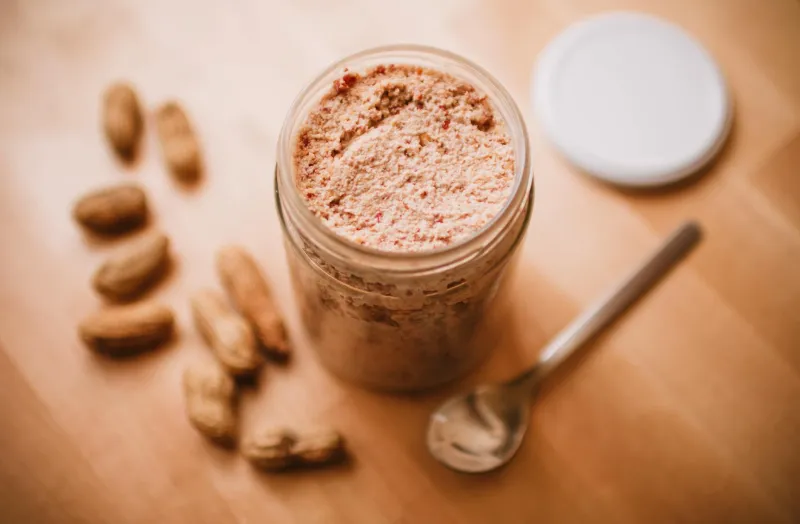
The Sanatorium That Changed Breakfast Forever
Walk into any American grocery store and you'll find an entire aisle dedicated to something that didn't exist before 1884: peanut butter. That familiar jar of creamy or chunky spread sitting in 94% of American pantries traces back to one man's obsessive quest to fix his patients' digestive problems.
Dr. John Harvey Kellogg wasn't your typical physician. Running the Battle Creek Sanitarium in Michigan, he believed that proper nutrition could cure nearly everything. His patients — wealthy Americans suffering from what Victorians politely called "dyspepsia" — came seeking relief from stomach ailments that modern doctors would recognize as everything from ulcers to irritable bowel syndrome.
Kellogg's solution? A completely bland, easily digestible diet that would, in his words, "rest the stomach while providing adequate nutrition." The problem was finding protein sources that wouldn't upset delicate digestive systems.
When Medical Theory Met Kitchen Chemistry
In 1884, Kellogg began experimenting with nuts, convinced they could provide protein without the digestive trauma of meat. He tried grinding almonds, but the paste was too expensive for widespread use. Walnuts were too oily. Pecans too rare.
Then he tried peanuts — which, despite the name, are actually legumes, not nuts. When he ran the roasted peanuts through his newly acquired food mill, something unexpected happened. Instead of the grainy, separated mess he'd gotten with other nuts, the peanuts formed a smooth, creamy paste that stayed together.
"It was entirely by accident," Kellogg would later write in his journal. "The mill was set incorrectly, grinding far longer than intended." That mechanical mistake created the first smooth peanut butter in American history.
The Patent Wars That Almost Killed Peanut Butter
Kellogg immediately recognized the potential. He filed for a patent in 1895 for his "Process of Preparing Nutmeal," but here's where the story gets complicated. Dr. Ambrose Straub of St. Louis had been working on a similar process and filed his own patent for a peanut butter machine the same year.
The ensuing legal battle lasted three years and nearly bankrupted both inventors. Meanwhile, peanut butter remained confined to medical settings — expensive, medicinal, and associated with digestive problems rather than pleasure.
The real breakthrough came from an unexpected source: C.H. Sumner, a businessman who had been watching the patent dispute from the sidelines. While the doctors fought in court, Sumner quietly developed his own manufacturing process that skirted both patents. More importantly, he had a radical idea: what if peanut butter wasn't medicine?
From Sanitarium to Sandwich
Sumner's insight was pure marketing genius. Instead of selling peanut butter as a digestive aid for wealthy invalids, he positioned it as an affordable protein source for working families. His company, later acquired by what became Jif, began mass-producing peanut butter in 1901.
The timing was perfect. American cities were growing rapidly, filled with factory workers who needed cheap, portable lunches. Peanut butter sandwiches fit the bill perfectly — nutritious, filling, and requiring no refrigeration or cooking.
By 1904, peanut butter was being sold at the St. Louis World's Fair for five cents a jar. Dr. Kellogg, still fighting patent battles and insisting peanut butter should only be consumed under medical supervision, watched his accidental invention transform into something he never intended: a mass-market food product.
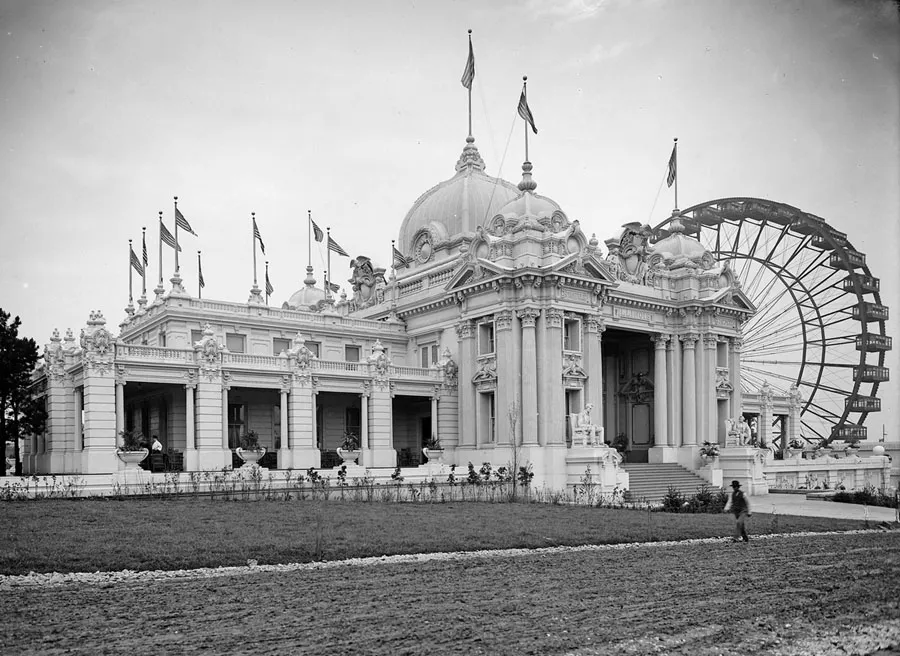 Photo: St. Louis World's Fair, via cdn.theatlantic.com
The Accidental Empire
Today, Americans consume over 700 million pounds of peanut butter annually. The average American child will eat 1,500 peanut butter and jelly sandwiches before graduating high school. What started as Dr. Kellogg's attempt to create bland, medicinal nutrition became one of America's most beloved comfort foods.
The irony wasn't lost on Kellogg himself. In his later writings, he expressed bewilderment that his "therapeutic paste" had become associated with childhood treats and indulgent snacking — exactly the opposite of his original intention.
That mechanical mistake in a Michigan sanatorium didn't just create a food product; it accidentally launched an industry. Every time you spread peanut butter on bread, you're participating in a tradition that began with one doctor's digestive disaster and a food mill that ground just a little too long.