From Pie Plates to Peak Performance: The Accidental Birth of Ultimate Frisbee

The Bakery That Never Meant to Make Toys
Walk into any American park on a weekend, and you'll see them everywhere: people hurling plastic discs through the air with surprising precision and passion. What you're witnessing is the legacy of the Frisbie Pie Company of Bridgeport, Connecticut—a bakery that never intended to revolutionize American recreation.
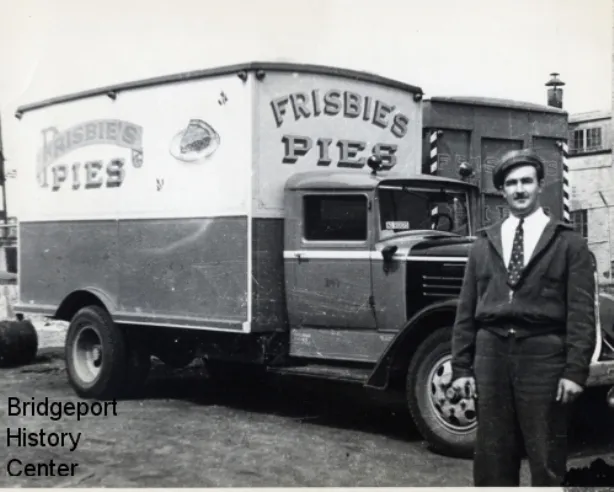 Photo: Frisbie Pie Company, via connecticuthistory.org
In the 1940s, college students at Yale and other New England schools discovered something magical about the empty pie tins from Frisbie's pies. The lightweight metal plates, embossed with the company's name, sailed through the air with remarkable stability when thrown properly. Students would yell "Frisbie!" as a warning when launching the makeshift projectiles across campus quads.
The Frisbie Pie Company, founded in 1871 by William Russell Frisbie, had built its reputation on Mother Frisbie's pies—not on creating America's next great pastime. The company's pie tins were simply functional packaging, designed to hold their popular offerings and then be discarded. Nobody at the bakery could have predicted that their throwaway containers would outlive their actual product by decades.
When Wham-O Turned Trash into Treasure
The transformation from campus curiosity to commercial phenomenon happened in 1957, when Walter "Fred" Morrison, a California inventor, caught the attention of Wham-O Manufacturing Company. Morrison had been experimenting with flying disc designs since the 1940s, initially using cake pans and later developing his own plastic prototypes.
 Photo: Wham-O Manufacturing Company, via cdn.shopify.com
Rich Knerr and Arthur "Spud" Melin, Wham-O's founders, saw potential in Morrison's "Pluto Platter." But when they discovered that East Coast college students had been playing with "Frisbies" for years, they made a crucial branding decision. They bought Morrison's design, renamed it the "Frisbee" (changing the spelling to avoid trademark issues), and launched what would become one of America's most enduring toys.
The timing was perfect. Post-war America was embracing outdoor leisure activities, and the Frisbee captured the era's spirit of casual recreation. Unlike traditional sports that required teams, equipment, and formal rules, Frisbee offered pure, accessible fun. You could play alone, with friends, or even with your dog.
From Counterculture Icon to Competitive Sport
During the 1960s and 70s, the Frisbee became deeply embedded in American counterculture. College campuses, beaches, and parks became informal Frisbee territories. The simple act of throwing a disc represented freedom from structured activities and competitive pressure—it was recreation for recreation's sake.
But even as millions of Americans embraced casual Frisbee throwing, a subset of players began developing more sophisticated techniques and rules. In 1968, students at Columbia High School in Maplewood, New Jersey, created "Ultimate Frisbee"—a structured game combining elements of football, soccer, and basketball.
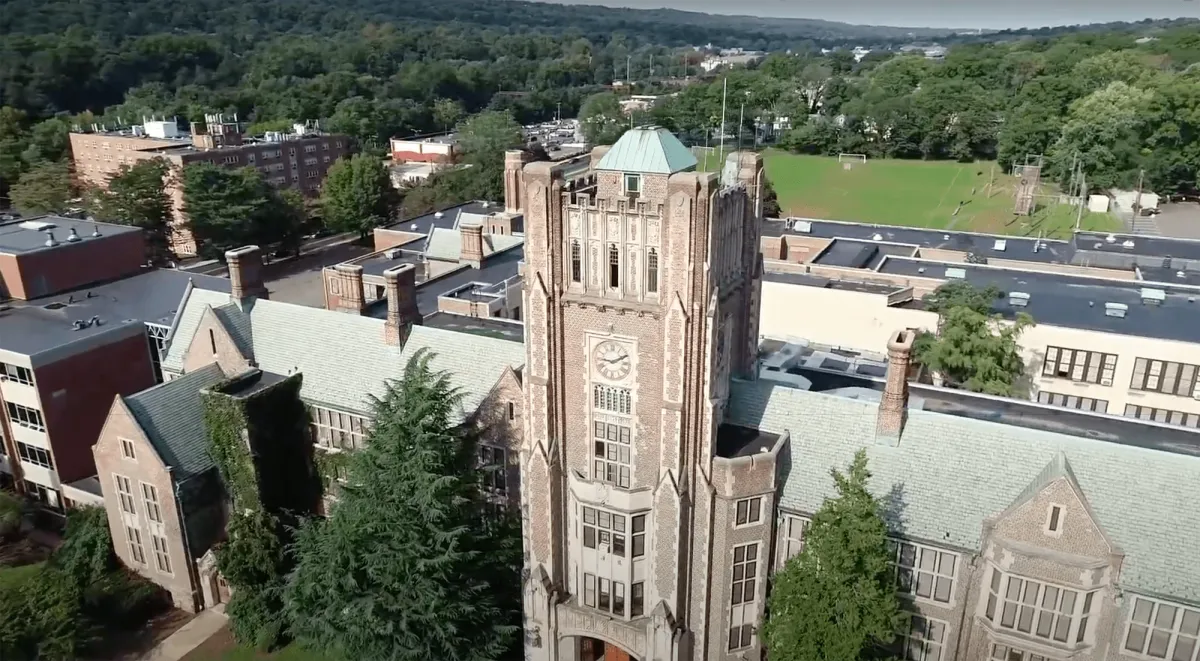 Photo: Columbia High School, via villagegreennj.com
Ultimate Frisbee introduced concepts that seemed almost revolutionary for American sports: no referees (players called their own fouls), no physical contact, and an emphasis on "spirit of the game" over winning at all costs. The sport spread through college campuses during the 1970s, creating a parallel universe where competitive athletics coexisted with countercultural values.
The Numbers Behind the Flight
Today, the sport that began with discarded pie tins has become a legitimate athletic phenomenon. Ultimate Frisbee is played in over 80 countries, with more than 5 million participants worldwide. In the United States alone, over 5,000 high school and college teams compete annually. The sport has professional leagues, international championships, and is even recognized by the International Olympic Committee.
The physics that made those original pie tins fly so well—gyroscopic stability, aerodynamic lift, and angular momentum—have been refined into precision-engineered discs that can travel over 500 feet in the hands of elite players. Modern Ultimate Frisbee athletes are legitimate competitors, with training regimens and athletic scholarships that would have baffled those Yale students tossing pie plates in the 1940s.
Why America Fell for the Flying Disc
The Frisbee's evolution from trash to treasure reflects something fundamental about American culture: our ability to find entertainment in the simplest things and then scale that entertainment into massive cultural movements. The same entrepreneurial spirit that turned discarded pie tins into a billion-dollar industry has created uniquely American phenomena from jazz to fast food to social media.
More than 70 years after those first college students started flinging Frisbie pie tins, Americans continue to embrace the simple pleasure of watching something fly through the air and catching it. Whether it's a casual game of catch in the backyard or a competitive Ultimate tournament, we're still participating in an activity that nobody planned, nobody predicted, and nobody could have imagined would become so deeply woven into our recreational DNA.
The next time you see a Frisbee sailing through the air, remember: you're witnessing the legacy of a Connecticut bakery that just wanted to sell pies.