She Ran Out of Baking Chocolate — And Accidentally Invented America's Favorite Cookie
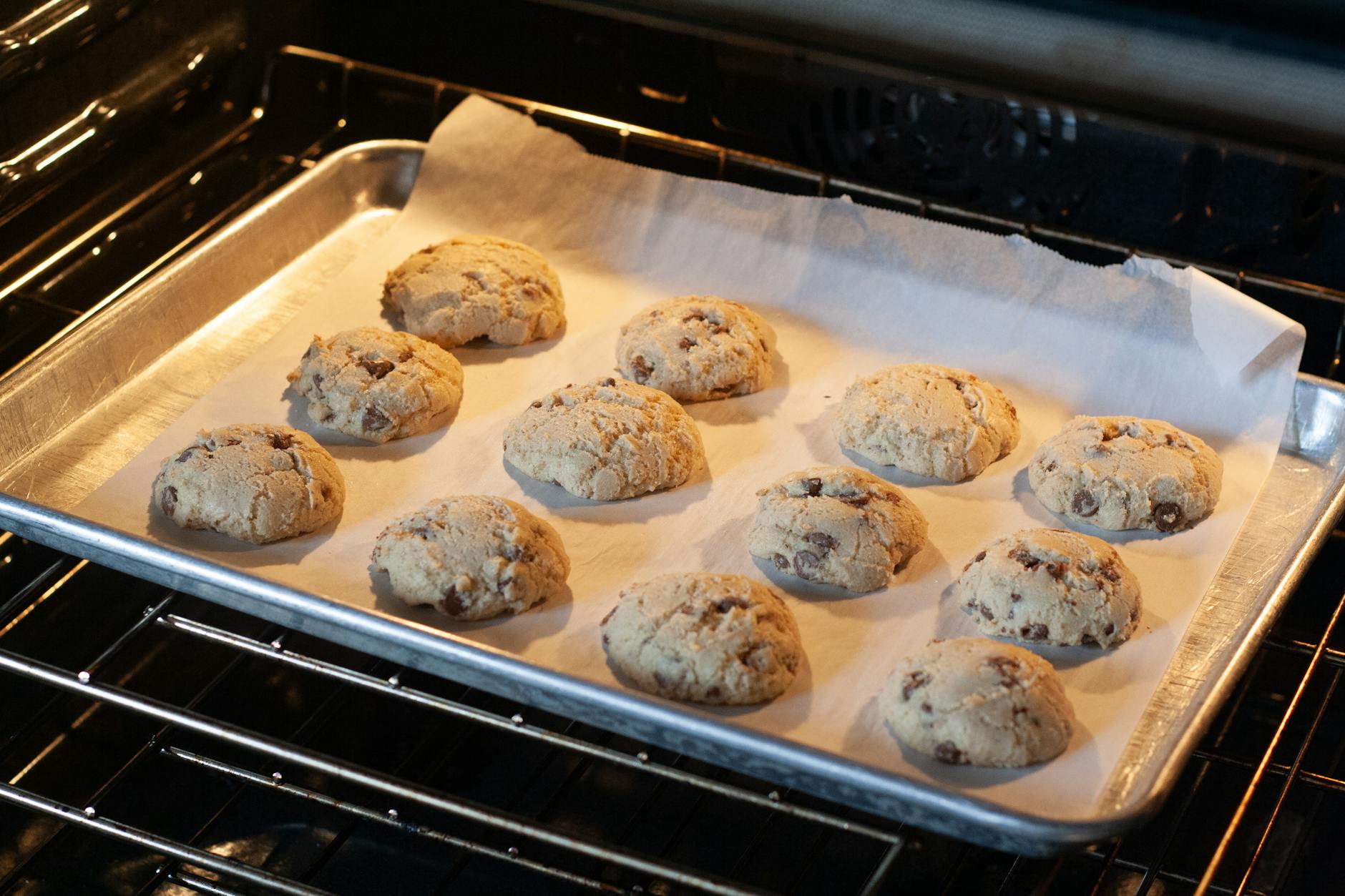
She Ran Out of Baking Chocolate — And Accidentally Invented America's Favorite Cookie
There's something almost poetic about the fact that the chocolate chip cookie — that warm, gooey symbol of intentional comfort — was never actually intended at all. It didn't come from a test kitchen or a corporate food lab. It came from a busy innkeeper in Massachusetts who needed to improvise, and fast.
Today, Americans consume roughly 7 billion chocolate chip cookies every year. Nestlé's Toll House cookie dough is a refrigerator staple from Maine to California. And it all traces back to one small kitchen decision that nobody thought twice about at the time.
The Woman Behind the Dough
Ruth Graves Wakefield wasn't a hobbyist baker. She was a trained dietitian who, along with her husband Kenneth, purchased a tourist lodge in Whitman, Massachusetts in 1930. They called it the Toll House Inn — a nod to the building's original 18th-century function as a rest stop where travelers paid road tolls, changed horses, and grabbed a meal.
Ruth ran the kitchen with real professional intent. She cooked everything from scratch, developed her own recipes, and built a reputation for food that kept guests coming back. Her desserts, in particular, were a draw. She even published a cookbook, Toll House Tried and True Recipes, that had already gone through multiple printings by the mid-1930s. This was not a woman who stumbled around in the kitchen.
Which makes what happened next all the more surprising.
The Substitution That Changed Everything
The exact date is fuzzy — accounts vary between 1937 and 1938 — but the story has stayed consistent across retellings. Ruth was preparing a batch of Butter Drop Do cookies, a colonial-era recipe that called for melted baker's chocolate folded into the dough. When she went to grab her chocolate, she either found she'd run out of the proper baking block or simply decided to try something different.
She reached for a Nestlé semi-sweet chocolate bar instead, broke it into small chunks, and mixed them into the dough. The assumption — reasonable enough — was that the pieces would melt completely during baking and distribute evenly through the cookies, the way dissolved chocolate would.
They didn't.
Instead, the chunks held their shape, softening into pockets of melted chocolate that stayed distinct from the surrounding dough. The result was something entirely new: a cookie with texture, contrast, and little bursts of chocolate in every bite. Ruth served them at the inn. Guests loved them.
From Inn Kitchen to National Obsession
Word spread quickly — partly because Ruth's cookbook was already popular, and partly because a Boston radio show picked up the recipe. Demand for Nestlé's semi-sweet chocolate bars reportedly spiked in New England almost immediately, which caught the company's attention.
Nestlé approached Ruth about a licensing deal. The exact terms have been the subject of some debate over the years — some accounts claim she received a lifetime supply of chocolate, others suggest the compensation was more formal. What's confirmed is that Nestlé acquired the rights to the Toll House name and began scoring their chocolate bars with a small dividing tool so bakers could break them into uniform pieces more easily.
By 1939, Nestlé had taken the next logical step: pre-cut chocolate morsels sold specifically for baking. The Toll House cookie recipe was printed right on the package. It's been there ever since.
Why the Accident Stuck
Accidental food discoveries aren't unusual — the potato chip, the popsicle, and Worcestershire sauce all have similarly unplanned origin stories. But what made the chocolate chip cookie different was how immediately and completely it fit into American domestic life.
The 1940s wartime rationing era actually helped cement it. Sugar and butter were scarce, but the chocolate chip cookie recipe was flexible enough to adapt. Women's magazines ran variations constantly. The recipe became a kind of shared cultural shorthand for home baking itself.
By the postwar boom of the 1950s, when suburban kitchens became a symbol of American prosperity, the chocolate chip cookie was already the default answer to the question: what are you baking?
The Legacy of a Last-Minute Fix
Ruth Wakefield died in 1977, having watched her improvised recipe become one of the most replicated in American culinary history. The Toll House Inn burned down in 1984, but the name lives on in every yellow bag of Nestlé morsels sold in every grocery store across the country.
What's striking, looking back, is how deliberate the cookie feels now. It seems like it was always meant to exist — like someone sat down and engineered the perfect balance of crisp edge, soft center, and melted chocolate. The reality is messier and more human than that.
Ruth just needed to finish dessert. And in doing so, she handed every American home baker a recipe they'd be reaching for nearly a century later.