How Surplus War Metal and One Park Worker's Frustration Created America's Backyard Ritual
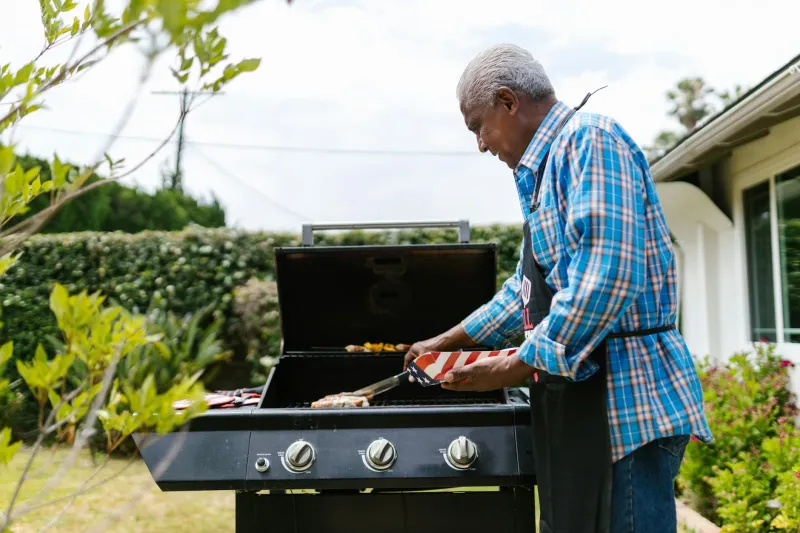
The Missing Piece of the American Dream
If you asked most Americans when backyard grilling became part of our national identity, they'd probably guess it dates back to the frontier days. Cowboys around campfires, maybe, or colonial settlers roasting meat over open flames. The reality is far more recent — and far more accidental.
The suburban barbecue culture that defines American summers was essentially invented between 1950 and 1960, born from the convergence of three unexpected factors: a frustrated Chicago park worker, mountains of surplus military metal, and the sudden appearance of millions of American backyards.
George Stephen's Weekend Problem
In 1951, George Stephen Sr. was living the post-war American dream in Mount Prospect, Illinois. He had a steady job at Weber Brothers Metal Works, a new suburban house, and something previous generations of Americans rarely possessed: a private backyard. There was just one problem — he couldn't figure out how to cook in it.
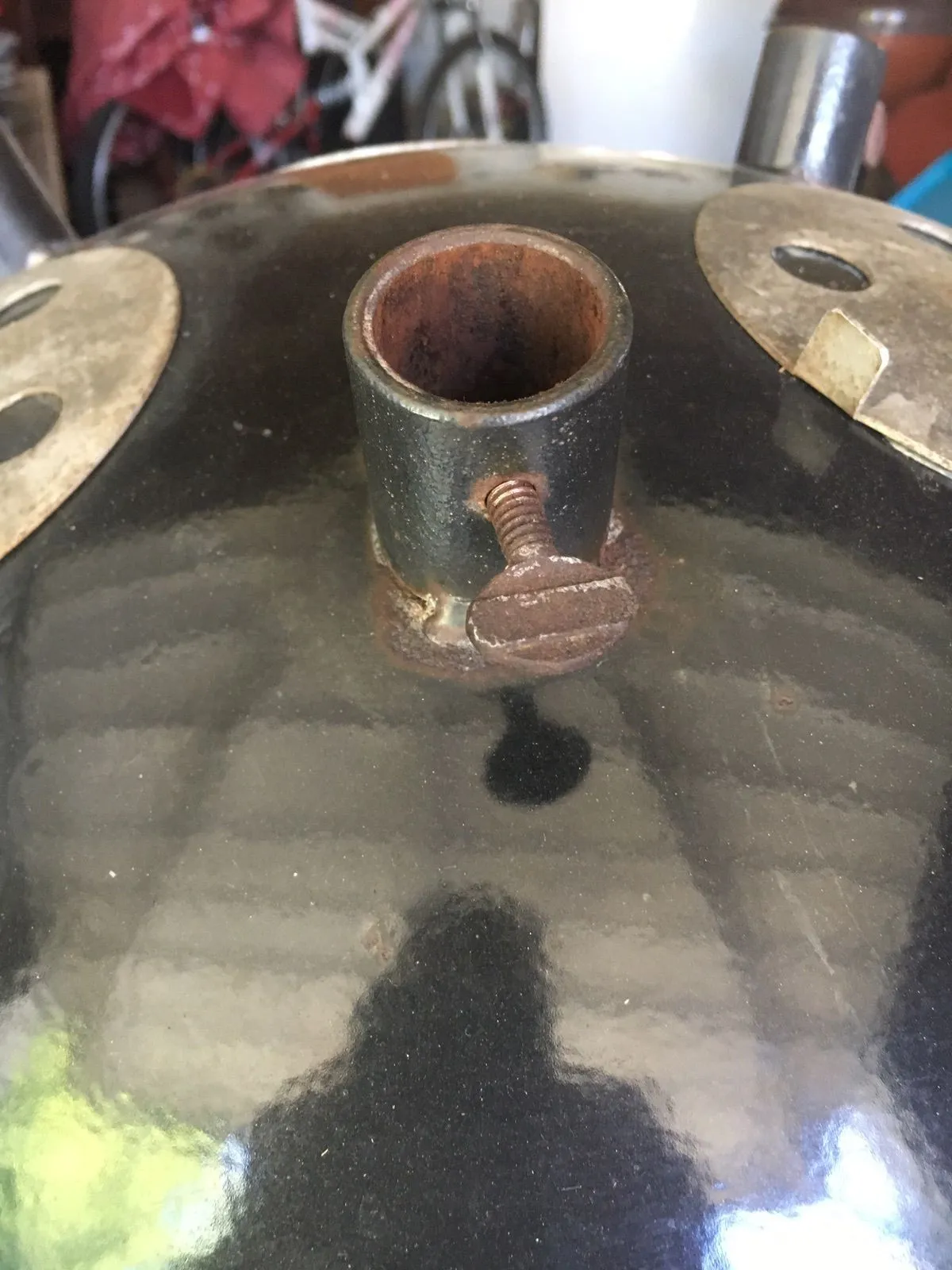 Photo: Weber Brothers Metal Works, via weberkettleclub.com
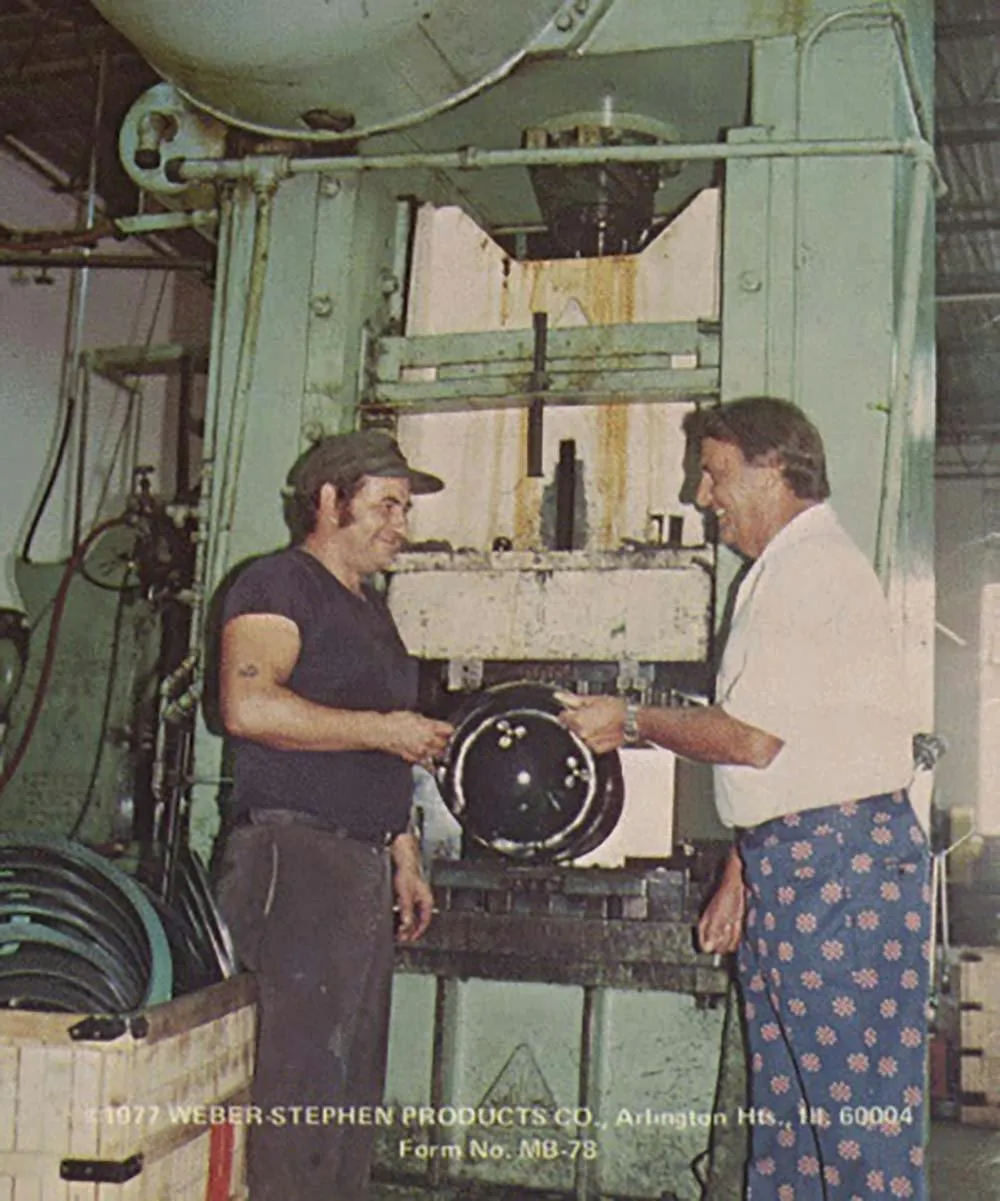 Photo: George Stephen Sr., via content-images.weber.com
Like most of his neighbors, Stephen had tried the popular rectangular braziers of the era. These shallow metal boxes, essentially portable fire pits, were frustrating disasters. Wind scattered ashes everywhere. Rain extinguished the coals. Grease fires were constant. "Every weekend was an exercise in disappointment," Stephen later recalled.
The breakthrough came during Stephen's day job. Weber Brothers Metal Works had won contracts to manufacture buoys for the Coast Guard — large, spherical metal shells designed to withstand harsh marine conditions. Looking at these weather-resistant hemispheres, Stephen had an idea that would change American culture forever.
The Buoy That Became a Barbecue
What if outdoor cooking didn't have to be a battle against the elements? What if you could create a controlled environment — a metal dome that would contain heat, deflect wind, and protect food from weather?
Stephen took one of the metal buoy hemispheres and began experimenting. He added a second hemisphere to create a complete sphere, then cut the bottom one in half to create a base and lid. Ventilation holes went on the bottom for airflow, a chimney on top for smoke control. The result looked nothing like traditional grilling equipment — it resembled a flying saucer more than a cooking device.
His neighbors thought he'd lost his mind. "People would drive by just to stare at George's contraption," remembered his son, George Stephen Jr. "They called it 'Stephen's Sputnik.'" But the thing worked. The dome shape created even heat distribution, the lid trapped smoky flavors, and weather couldn't disrupt the cooking process.
The Suburban Explosion That Made It Possible
Stephen's invention might have remained a neighborhood curiosity if not for the massive demographic shift happening across America. The GI Bill and federal housing policies were creating suburbs at an unprecedented rate. Between 1940 and 1960, suburban populations grew by 47%, and for the first time in American history, millions of families had private outdoor spaces.
These new suburbanites were also flush with disposable income after years of wartime rationing. They wanted to entertain, to show off their new homes, to create social rituals that matched their upgraded lifestyle. The problem was that outdoor entertaining had always been the domain of wealthy families with large estates and dedicated staff.
Stephen's kettle grill democratized outdoor cooking. Suddenly, any suburban homeowner could host elaborate cookouts without hiring caterers or dealing with unpredictable equipment.
From Metal Shop to Cultural Institution
In 1952, Stephen convinced Weber Brothers to let him manufacture his kettle design. The first year, they sold 37 units — mostly to friends and neighbors who had seen Stephen's weekend cookouts. By 1958, they were selling thousands annually, and backyard barbecuing had become a suburban status symbol.
The timing aligned perfectly with other cultural shifts. Television was bringing families together around shared experiences. The five-day work week gave people regular weekend leisure time. Suburban developments created communities of families with similar lifestyles and expectations.
What started as one man's frustration with weekend cooking became the foundation for an entire social ritual. The backyard barbecue wasn't just about food — it was about displaying suburban success, creating community bonds, and establishing new traditions for a rapidly changing society.
The Accidental Tradition
Today, 75% of American households own outdoor grilling equipment. Memorial Day weekend marks the unofficial start of "grilling season," a cultural calendar that didn't exist before 1950. Americans spend over $7 billion annually on outdoor cooking equipment and supplies.
None of this was planned. George Stephen wasn't trying to create a cultural tradition — he just wanted to cook burgers without fighting the wind. But his surplus military buoy, combined with post-war prosperity and suburban expansion, accidentally invented one of America's most enduring social customs.
Every Fourth of July cookout, every weekend gathering around the grill, every dad proudly manning his barbecue — it all traces back to a Chicago park worker who got tired of his food getting rained on and decided to put a lid on it.