How WWII Rationing Accidentally Taught America to Love Sugar for Breakfast
When War Came for America's Breakfast Bowl
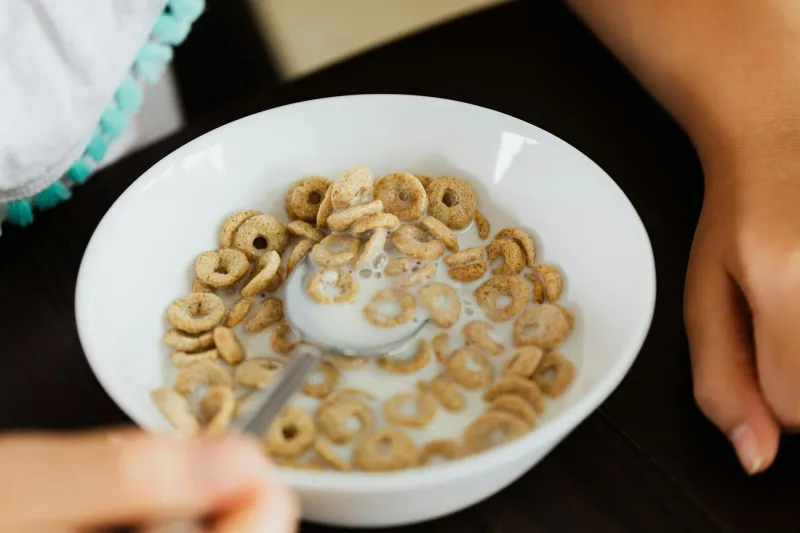
Every morning, millions of Americans pour milk over colorful, sugar-laden cereal while looking at boxes that promise a "complete breakfast." What they don't realize is that they're participating in a ritual born from wartime desperation—a marketing strategy that cereal companies invented not to sell nutrition, but to survive government sugar rationing during World War II.
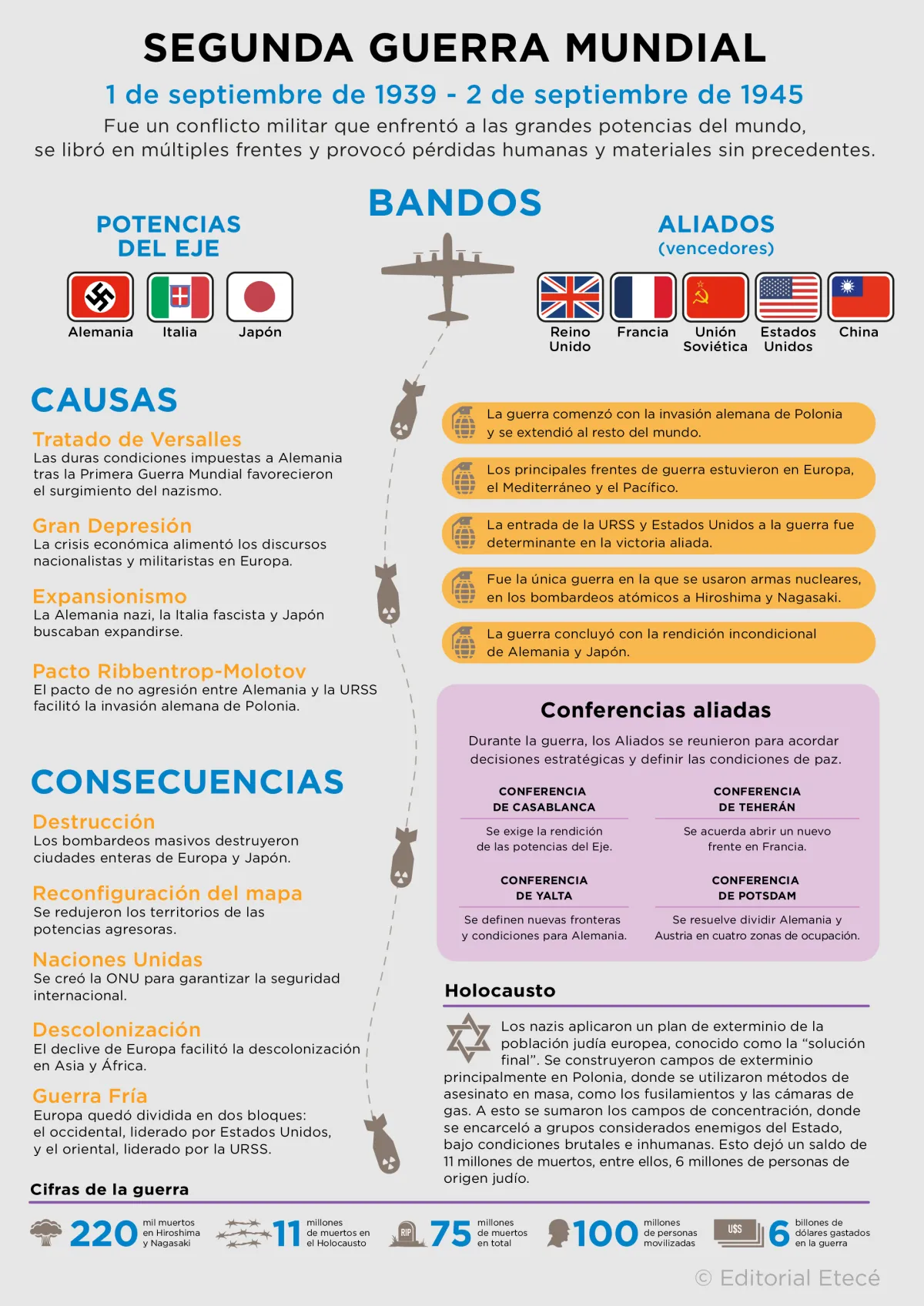 Photo: World War II, via meaningss.com
Before the 1940s, breakfast cereal was largely the domain of health enthusiasts and sanitarium patients. Companies like Kellogg's and Post marketed their products as wholesome alternatives to heavy morning meals, but they weren't yet the sugar-delivery systems that dominate today's grocery aisles. That transformation happened when war forced manufacturers to completely reimagine what breakfast could be.
The Government's Sweet Tooth Problem
In 1942, the U.S. government imposed strict sugar rationing as part of the war effort. American families received ration books limiting them to just 8-12 ounces of sugar per person per week—roughly two-thirds of their normal consumption. For cereal manufacturers who had begun experimenting with sweetened products, this presented an existential crisis.
Sugar wasn't just an ingredient; it was becoming the secret to mass appeal. Companies like General Mills had discovered that adding sugar to cereals made them popular with children, who could influence family purchasing decisions. But with rationing in effect, manufacturers faced a choice: abandon sweetened cereals entirely or find creative ways to work within the constraints.
The industry chose innovation over surrender. Cereal companies began developing products that delivered maximum sweetness with minimum sugar, experimenting with corn syrup, honey, and artificial sweeteners. More importantly, they launched one of the most successful marketing campaigns in American food history.
The Birth of the "Complete Breakfast" Myth
Faced with smaller portions and less sugar per serving, cereal marketers needed to justify why their diminished products were still worth buying. Their solution was brilliant in its simplicity: they invented the concept of the "complete breakfast."
Advertisements began showing cereal bowls surrounded by orange juice, toast, and milk, suggesting that cereal was just one component of a balanced morning meal. The visual message was clear—you weren't buying a bowl of grain and sugar, you were buying participation in an ideal American breakfast.
This marketing framework solved multiple wartime problems simultaneously. It justified smaller serving sizes (you were eating other foods too), explained away reduced sugar content (balance was more important than sweetness), and positioned cereal as patriotic fuel for the war effort. Advertisements featured children eating cereal before heading to school, where they would participate in scrap drives and victory gardens.
Post-War Abundance Meets Wartime Habits
When sugar rationing ended in 1947, cereal manufacturers found themselves in an unexpected position. They had successfully trained American families to view sugary cereal as a breakfast staple, and the "complete breakfast" concept had become deeply embedded in family routines. Instead of abandoning their wartime strategies, companies doubled down.
The post-war economic boom provided families with both the disposable income to buy convenience foods and the cultural permission to embrace sugar as a daily pleasure. Cereal companies responded by creating increasingly sweet products while maintaining the "complete breakfast" messaging that had served them so well during rationing.
By the 1950s, cereals like Sugar Smacks (now Honey Smacks) and Frosted Flakes were openly celebrating their sugar content rather than hiding it. The "complete breakfast" imagery remained, but it had evolved from wartime necessity into peacetime aspiration—a visual promise that busy American families could provide nutrition and pleasure simultaneously.
The Sugar-Industrial Complex Takes Shape
What happened next was unprecedented in food marketing history. Cereal companies began targeting children directly through television advertising, creating cartoon mascots and linking cereal consumption to childhood happiness and energy. The "complete breakfast" concept provided perfect cover for this strategy—parents could justify buying sugar-heavy cereals because the marketing materials showed them as part of a balanced meal.
By the 1960s, the average American was consuming 20 pounds of cereal annually, much of it loaded with sugar. The wartime rationing that had forced manufacturers to be creative with sweetness had evolved into an industry built on delivering maximum sugar in socially acceptable formats. Breakfast had transformed from a meal into a sugar-delivery system disguised as nutrition.
The Persistence of Wartime Marketing
Today, more than 75 years after sugar rationing ended, American cereal aisles remain dominated by products that trace their DNA to wartime innovation. The "complete breakfast" imagery persists on virtually every cereal box, even though nutritionists have long since abandoned the idea that sugar-heavy cereals contribute meaningfully to morning nutrition.
The average American child now consumes approximately 10 pounds of sugar annually just from breakfast cereal—more sugar than was available to entire families during wartime rationing. What began as a creative response to scarcity became a template for abundance, proving that wartime innovations often outlive the crises that created them.
From Rationing to Routine
The story of breakfast cereal reveals how temporary disruptions can create permanent cultural changes. World War II sugar rationing lasted just five years, but it fundamentally altered how Americans think about morning meals. The marketing strategies developed to sell diminished products during wartime became the foundation for selling enhanced products during peacetime.
Every time you see a cereal box promising a "complete breakfast," you're looking at the legacy of 1940s food rationing—a reminder that some of our most persistent cultural habits began as temporary solutions to forgotten problems. The war ended, but America's sweet tooth at breakfast time had only just begun.
The next time you pour cereal into a bowl, remember: you're not just eating breakfast. You're participating in a ritual that began when the government took away America's sugar, and clever marketers figured out how to make us crave it even more.