Why Americans Shake Hands With Everyone — And Why the Rest of the World Finds It Exhausting
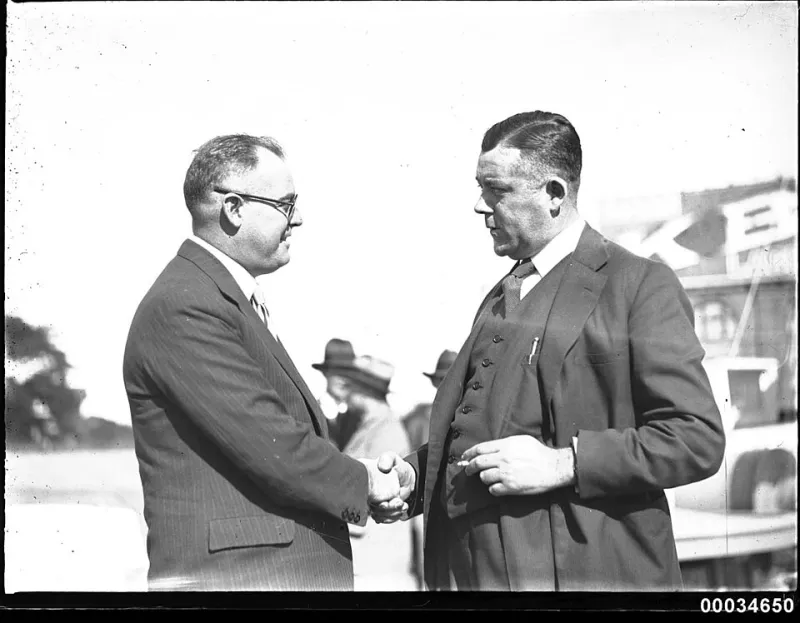
Photo: Australian National Maritime Museum on The Commons, No restrictions, via Wikimedia Commons
If you've ever watched a foreign visitor navigate an American networking event, you've probably noticed a certain bewilderment. The handshakes come fast and frequent. Strangers extend their hands before introductions are finished. People shake hands hello, shake hands goodbye, and sometimes shake hands in the middle of a conversation for reasons that aren't entirely clear. It's a lot of handshaking.
To Americans, this feels completely natural. To much of the rest of the world, it can feel oddly aggressive — like a society that resolved some ancient territorial anxiety by grabbing each other's hands constantly. They're not entirely wrong about the anxiety part.
It Started as a Weapons Check
The handshake is genuinely ancient. The most widely cited origin traces back to ancient Greece and Rome, where extending an open right hand to someone was a way of demonstrating that you weren't holding a weapon. The right hand was the sword hand. Showing it empty, and then clasping the other person's right hand, made it physically impossible to draw a blade without first releasing the grip.
This wasn't a casual greeting. It was a trust ritual used in specific, high-stakes moments — sealing agreements, ending conflicts, confirming alliances. Roman art is full of clasped-hand imagery, and the Latin term for it, dextrarum iunctio, appeared in everything from marriage ceremonies to military treaties. The gesture meant something serious.
For most of European history, it stayed that way — reserved for moments of formal significance. Everyday social greeting operated on an entirely different system, one built around hierarchy. You bowed to your superiors. You nodded to your equals. You expected deference from those below you. The physical expression of greeting was a constant, real-time performance of social rank.
The Quakers Decided Everyone Was Equal
The first serious challenge to Europe's hierarchy-driven greeting system came from an unlikely source: the Religious Society of Friends, better known as the Quakers. Founded in 17th-century England, the Quakers held a core theological belief that all people were spiritually equal before God — and they took that belief seriously enough to let it reshape their social behavior.
Quakers refused to bow. They refused to remove their hats as a sign of deference. They refused to use honorific titles. And when they needed a physical greeting that expressed equality rather than rank, they turned to the handshake. It was mutual, symmetrical, and carried no implied hierarchy. Both parties extended the same gesture. Neither person was performing submission.
This was genuinely radical in a society where physical greeting rituals encoded the entire social order. Quakers were mocked for it, sometimes prosecuted for it, and occasionally imprisoned for refusing to doff their hats to magistrates. But they held the line, and the handshake traveled with them — including to the American colonies, where Quaker communities in Pennsylvania and New England established the gesture as a standard greeting among themselves.
America Needed a New Social Language
The young United States had a specific problem that the handshake was perfectly positioned to solve. The country had just fought a revolution against a monarchy, and the entire political project was built on the rejection of inherited rank. But without rank, how were people supposed to greet each other? The old European toolkit — bowing, hat-tipping, curtsying — was loaded with exactly the hierarchical assumptions America was trying to discard.
The handshake, with its Quaker associations of equality and its ancient connotations of good faith, fit the new national self-image almost perfectly. It was democratic. It was direct. It required nothing from either party except a willingness to meet as equals. George Washington shook hands rather than bowing, a deliberate choice that was noted and commented on at the time. Andrew Jackson made it a centerpiece of his popular political identity — the man of the people who'd shake any American's hand.
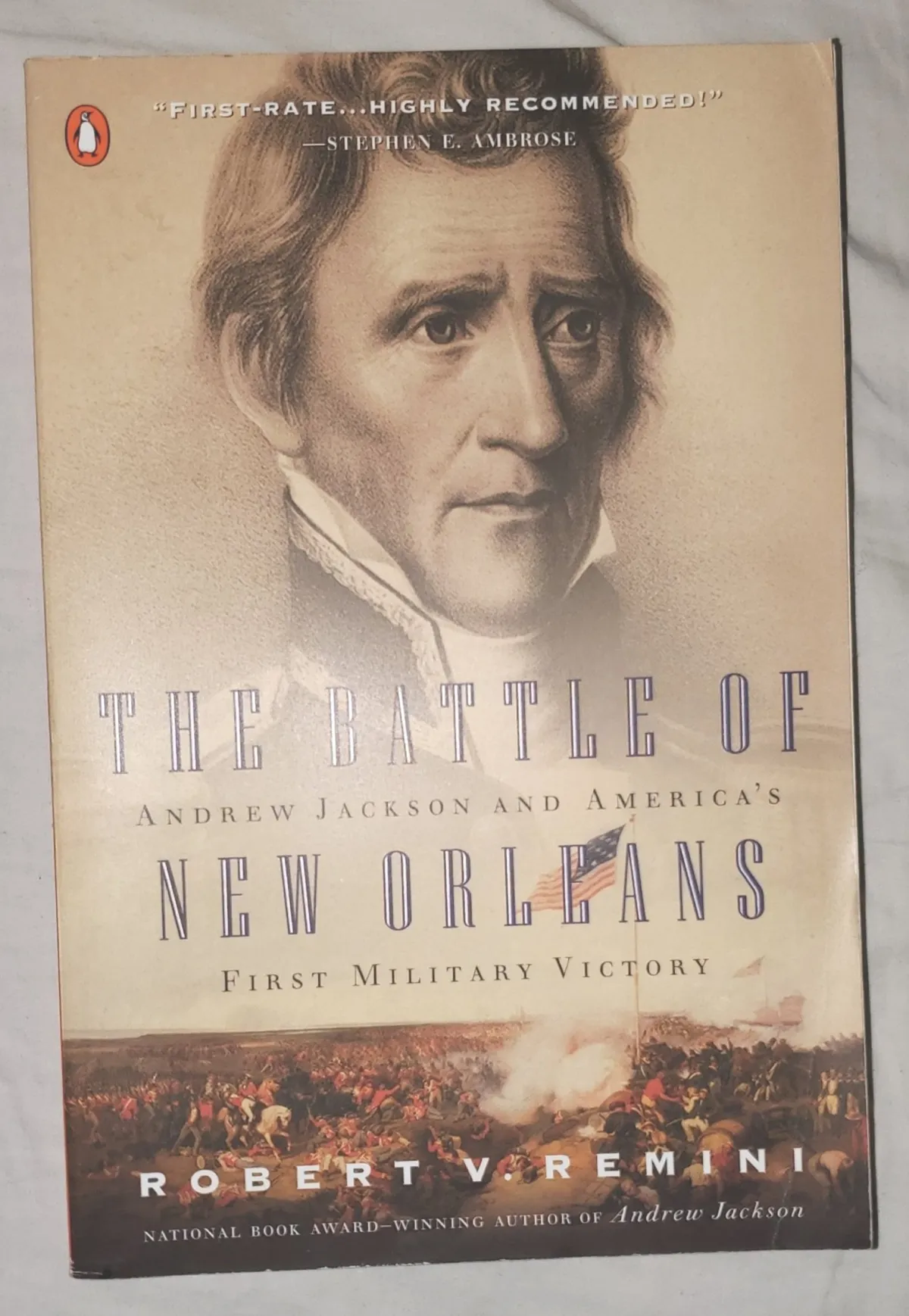 Photo: Andrew Jackson, via images.squarespace-cdn.com
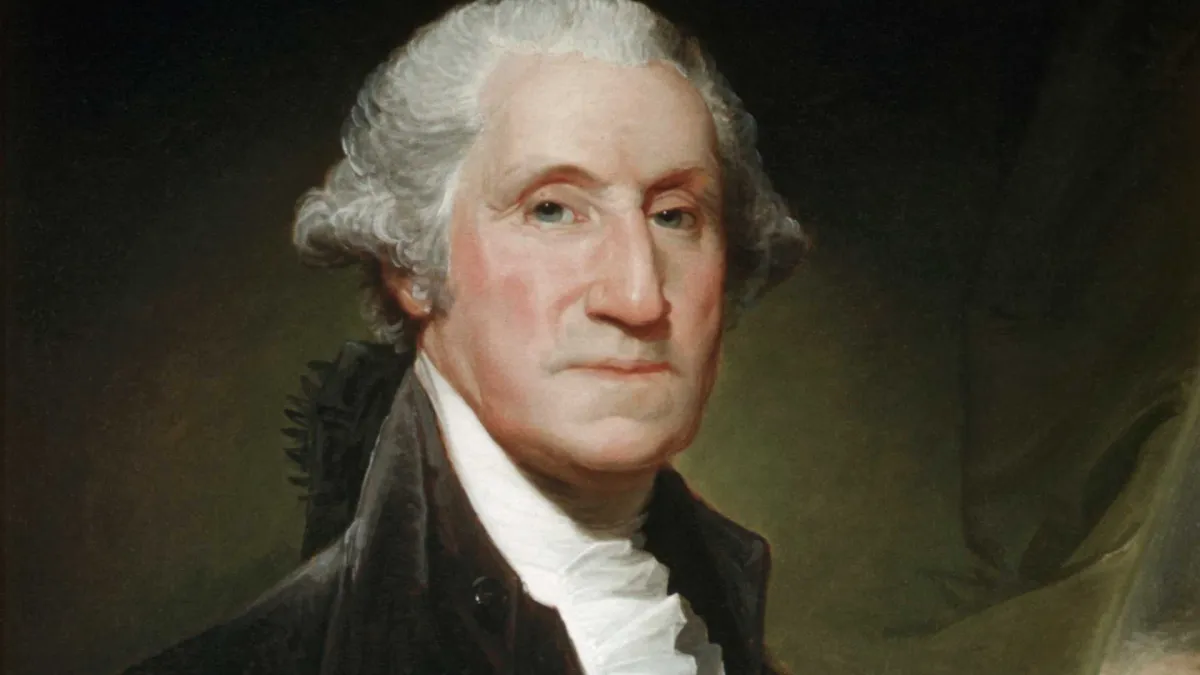 Photo: George Washington, via res.cloudinary.com
Throughout the 19th century, the handshake spread steadily beyond formal occasions into everyday social life. Victorian etiquette manuals in Britain were still carefully regulating when handshakes were appropriate — women didn't always extend their hand, class differences were still being negotiated through the gesture — but in America, those distinctions were collapsing faster than the etiquette writers could track.
When Business Made It Universal
The Industrial Revolution and the rise of American commercial culture accelerated everything. In a society where strangers increasingly needed to do business together — across class lines, across regional differences, across ethnic and religious divides — a quick, legible gesture of good faith became genuinely useful. The handshake sealed deals. It opened negotiations. It said, I'm trustworthy, I come in peace, let's get to it.
By the early 20th century, American self-help and business culture had fully absorbed the handshake as a symbol of confidence and character. Dale Carnegie's 1936 classic How to Win Friends and Influence People didn't invent the idea, but it reflected a world where the quality of your handshake — firm, direct, neither crushing nor limp — was treated as a meaningful signal about your personality and reliability.
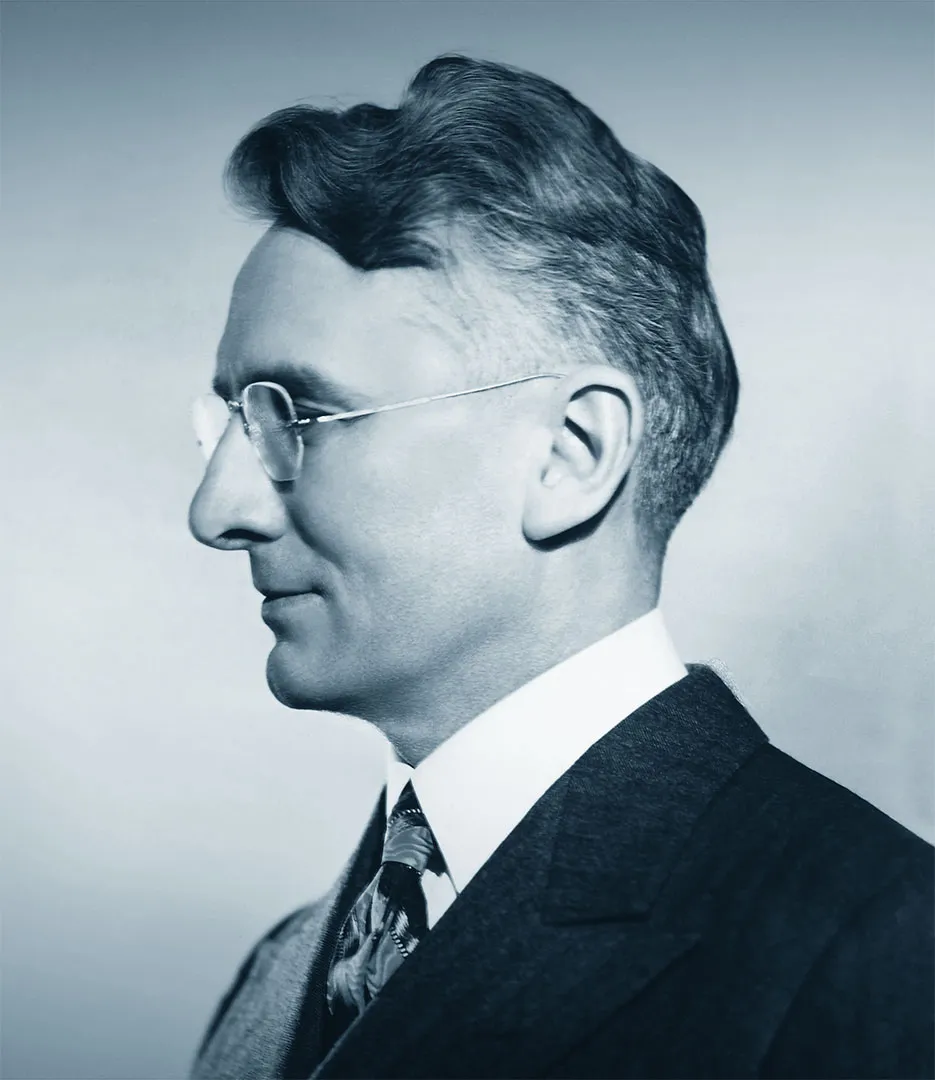 Photo: Dale Carnegie, via biografieonline.it
From there, the handshake kept expanding. It moved from business into social life, from formal occasions into casual ones, from adults into teenagers, from men into a genuinely gender-neutral ritual. By the late 20th century, Americans were shaking hands in situations that would have puzzled their grandparents.
What Other Cultures Actually Think
The global pandemic briefly interrupted all of this, and for a moment it looked like the handshake might not survive. But it has largely returned, at least in American contexts — perhaps a little more hesitantly than before, but present.
Other cultures watch this with a mixture of amusement and mild alarm. In Japan, where bowing remains the standard greeting, the American eagerness to make immediate physical contact with strangers can feel intrusive. In France, where the bise — a kiss on each cheek — governs social greeting among acquaintances, the handshake reads as cold and transactional. In many Middle Eastern cultures, handshakes between men are warm and extended, but the American habit of offering a hand to anyone regardless of gender or context doesn't always translate.
The American handshake isn't wrong. It's just the product of a very specific history — a Quaker theology, a revolutionary politics, and a commercial culture that needed a fast, democratic way for strangers to signal trust. It solved those problems beautifully.
It just never really stopped.