When Australia's Gym Equipment Became America's Fitness Obsession
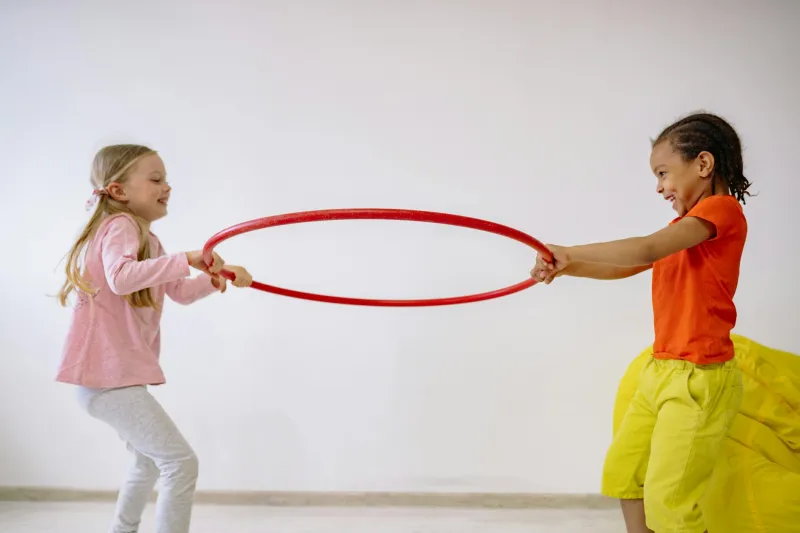
The Ring That Started a Revolution
Arthur Melin and Richard Knerr weren't looking to revolutionize American fitness when they visited Australia in early 1958. The Wham-O toy company founders were there on business, scouting for their next product. What they found was a bunch of kids spinning bamboo rings around their waists in gym class.
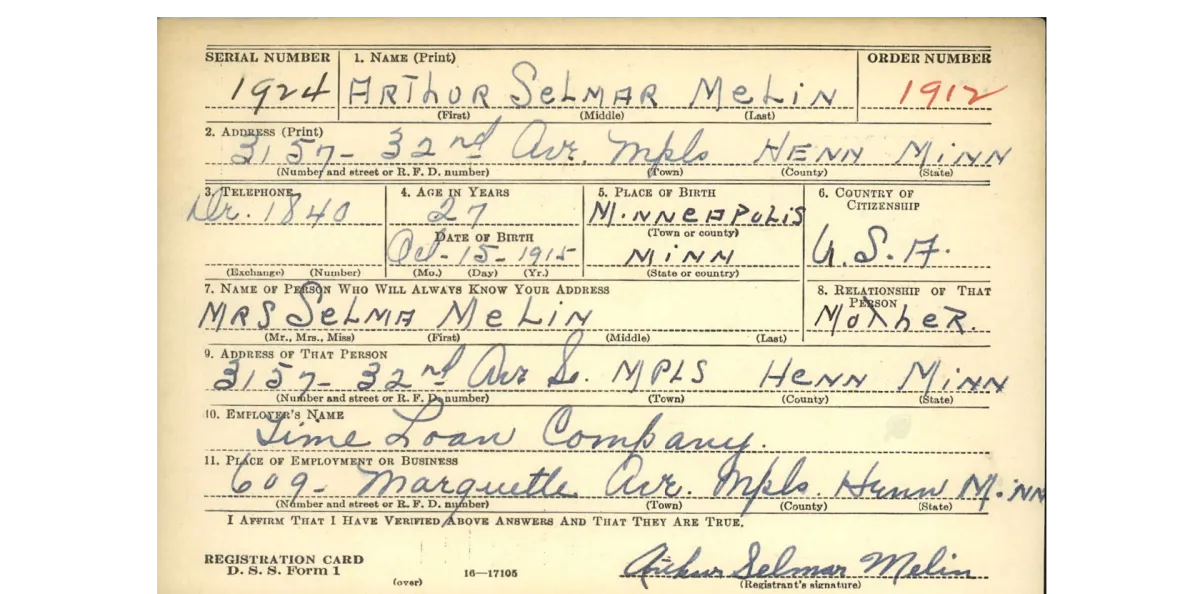 Photo: Arthur Melin, via images.findagrave.com
The exercise was nothing new — Australian physical education teachers had been using these "exercise rings" for years as a warm-up routine. But Melin and Knerr saw something different: a toy waiting to happen.
From Bamboo to Backyard Phenomenon
Back in California, the duo made one crucial change to the Australian design. They swapped bamboo for colorful plastic tubing, making the rings cheaper to produce and more appealing to American kids. They called it the "Hula Hoop," combining the ring's hip-swiveling motion with America's recent fascination with Hawaiian culture.
The name was perfect timing. Hawaii had just become the 50th state in 1959, and hula dancing was having a moment in American popular culture. Wham-O was betting that suburban families would embrace anything with a tropical flair.
What happened next surprised everyone, including Wham-O.
The Four-Month Miracle
When the Hula Hoop hit stores in May 1958, it sold 25 million units in just four months. To put that in perspective, the entire U.S. population was only 174 million people at the time. Wham-O was selling one hoop for every seven Americans — including babies and grandparents.
The craze spread faster than any toy phenomenon before it. Kids were spinning hoops on sidewalks, in school playgrounds, and in their living rooms. Department stores couldn't keep them in stock. Wham-O's factories ran around the clock, and the company still couldn't meet demand.
But the Hula Hoop did something unexpected: it got adults moving too.
When Parents Started Panicking
Suddenly, American mothers were hula hooping in their driveways. Office workers brought hoops to lunch breaks. Even celebrities got in on the action — Georgia Gibbs performed with a Hula Hoop on "The Ed Sullivan Show," and the sight of a grown woman gyrating with a plastic ring on national television sent shockwaves through conservative America.
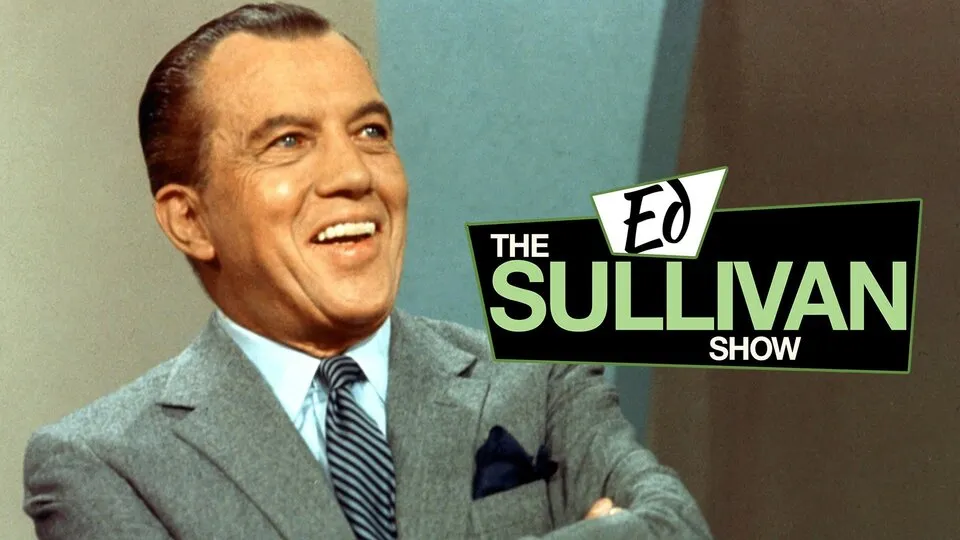 Photo: The Ed Sullivan Show, via ntvb.tmsimg.com
Parents and religious leaders worried that the hip-swiveling motion was too suggestive for children. Some schools banned Hula Hoops from playgrounds, claiming they were "inappropriate." A few communities tried to outlaw them entirely, arguing that the gyrating motion promoted indecent behavior.
The moral panic only made the hoops more popular.
The Accidental Fitness Revolution
What nobody anticipated was how the Hula Hoop would change American attitudes toward exercise. Before 1958, fitness was largely seen as something for athletes or military personnel. Regular Americans, especially women, weren't expected to engage in vigorous physical activity for fun.
The Hula Hoop changed that overnight. It made exercise playful, social, and accessible. You didn't need special equipment, a gym membership, or athletic ability. You just needed a $1.98 plastic ring and enough space to swing your hips.
Doctors started recommending hula hooping as legitimate exercise. Physical therapists used hoops for rehabilitation. The toy had accidentally introduced millions of Americans to the idea that fitness could be enjoyable rather than punishment.
The Crash That Wasn't Really a Crash
By Christmas 1958, the initial craze had died down. Wham-O's sales plummeted, and critics declared the Hula Hoop a classic fad that burned bright and fast. The company had made millions, but the party seemed over.
Except it wasn't.
While Americans moved on to other toys, the Hula Hoop quietly established itself as a permanent fixture in backyards, school gymnasiums, and toy boxes. It became the kind of classic toy that every generation rediscovers — simple enough that kids could master it, challenging enough to keep them interested.
The Legacy of a Simple Ring
Today, fitness instructors use weighted hula hoops in workout classes. Physical therapists recommend hooping for core strength and coordination. The toy that started as borrowed gym equipment from Australia accidentally taught America that exercise could be fun, accessible, and social.
Wham-O never intended to launch a fitness revolution. They just wanted to sell a simple plastic ring to American kids. But sometimes the most profound changes happen by accident — when a couple of entrepreneurs spot something ordinary and imagine how it might become extraordinary.
The Hula Hoop proved that the best innovations often come from the simplest ideas, and that sometimes the most important discoveries happen when you're not really looking for them at all.