How a Bookkeeper's Scribble Became the Most Recognized Word on the Planet
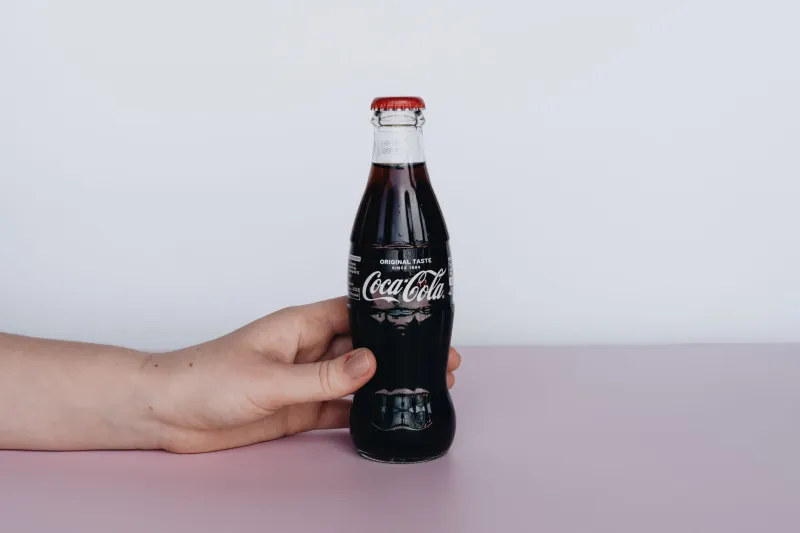
How a Bookkeeper's Scribble Became the Most Recognized Word on the Planet
There is a building in Atlanta, Georgia, that houses what the company inside it calls "The World's Most Visited Museum." Millions of tourists pass through it every year to learn the story of the drink that arguably did more to shape American consumer culture than any other product in history. And yet the single most important detail about that product — the name itself — is almost never told correctly.
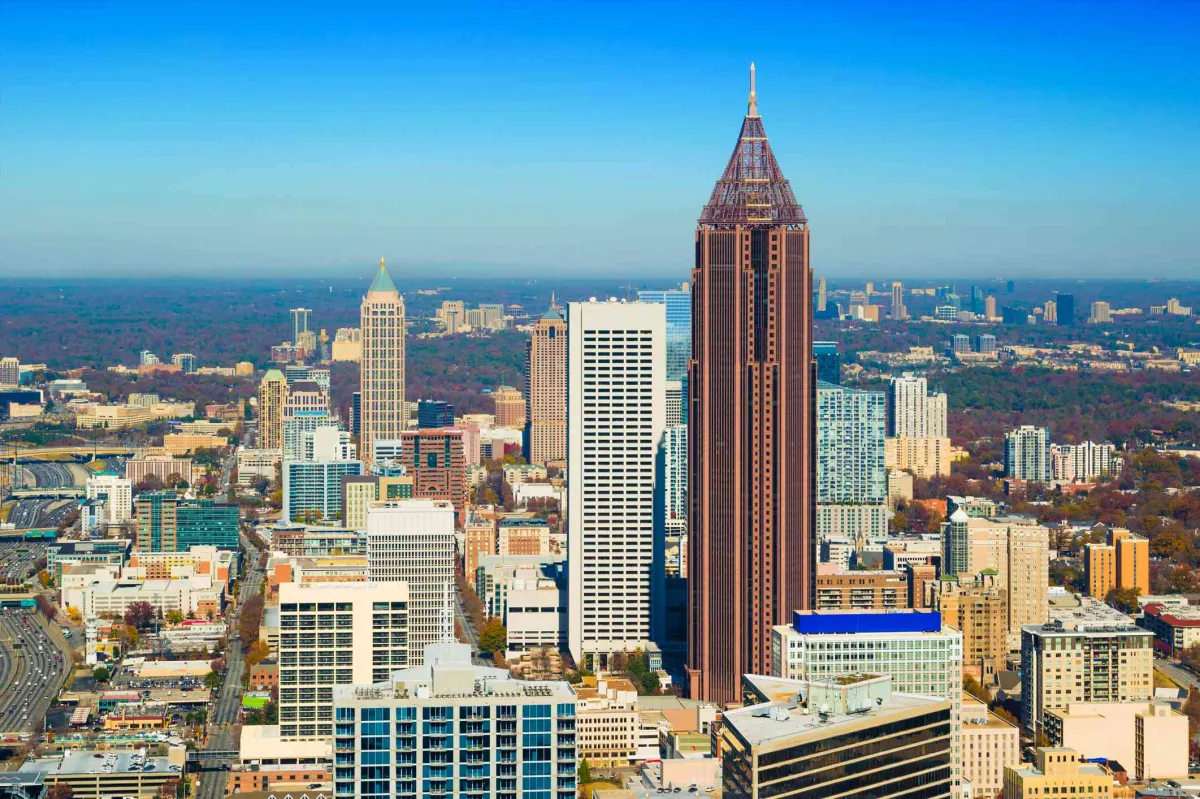 Photo: Atlanta, Georgia, via www.tripsavvy.com
Coca-Cola was not named by a marketing genius. It was not the result of focus groups or brand strategists or late-night creative sessions. It was written down by a bookkeeper who was simply trying to describe what was in the recipe.
The Man Behind the Mixture
To understand how the name happened, you have to go back to 1886 and a pharmacist named John Stith Pemberton. Pemberton was a Civil War veteran living in Atlanta who spent much of his postwar life experimenting with patent medicines — a booming industry in the late nineteenth century where the barrier between "medicine" and "pleasant-tasting syrup" was almost nonexistent.
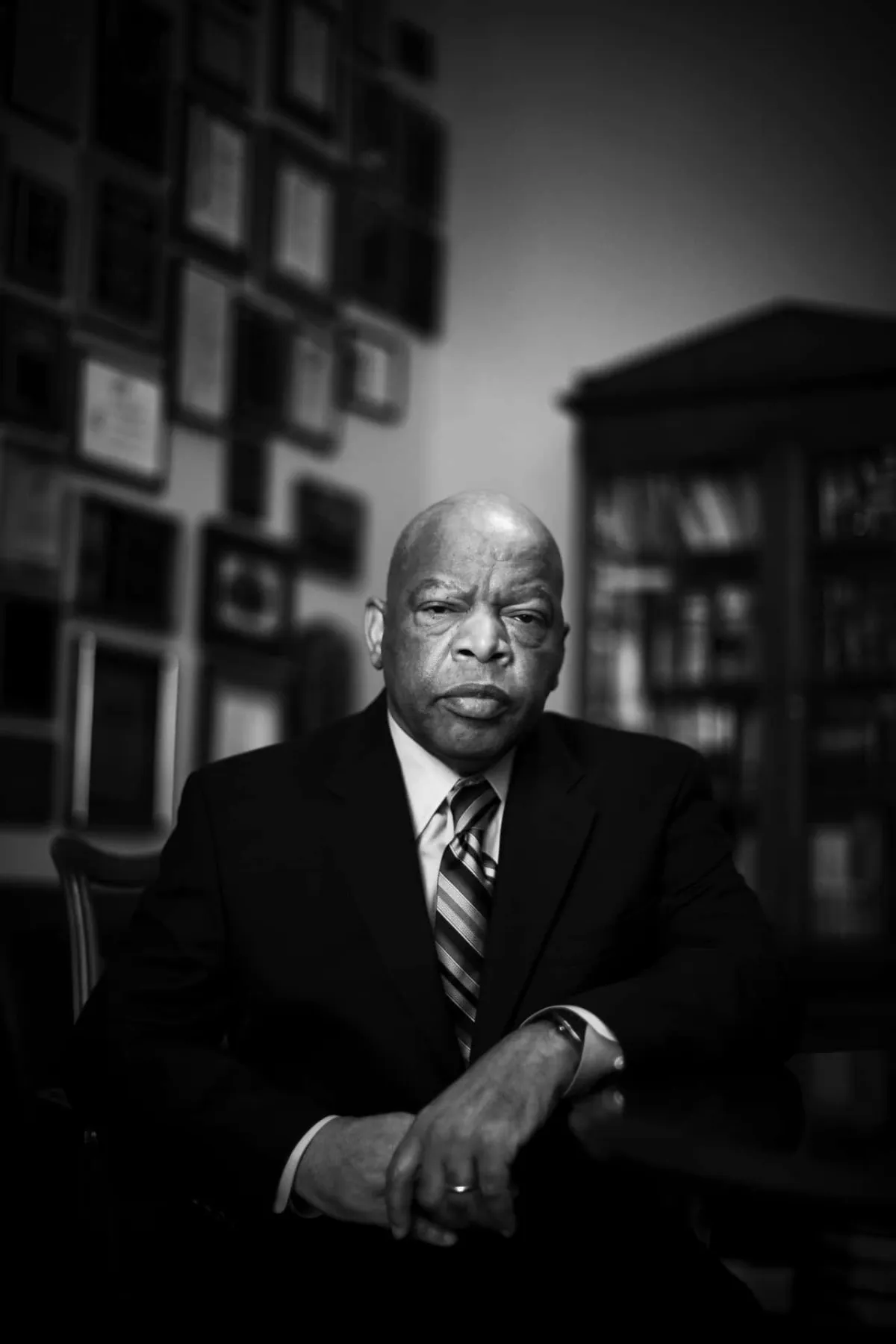 Photo: John Stith Pemberton, via wallpapers.com
Pemberton had already found modest success with a product called French Wine Coca, a drink inspired by a popular European tonic called Vin Mariani, which combined wine with cocaine extracted from coca leaves. When Atlanta passed local prohibition legislation in 1886, Pemberton needed to reformulate. He replaced the wine with carbonated water and sweetened syrup, adjusted the coca leaf extract, and added kola nut — a West African seed that contains caffeine and was already appearing in various American tonics as a stimulant.
The resulting drink was a dark, slightly bitter, vaguely medicinal syrup that Pemberton believed could cure headaches and relieve fatigue. He began selling it at the soda fountain of Jacob's Pharmacy in Atlanta for five cents a glass.
Where the Name Actually Came From
Pemberton needed a business partner to help manage distribution and accounting. He found one in Frank Mason Robinson, who had a sharp eye for numbers and handled the financial records for the fledgling operation.
 Photo: Frank Mason Robinson, via i.pinimg.com
When Robinson sat down to document the formula in the company's ledgers, he needed a shorthand way to describe the two active botanical ingredients: the coca leaf extract and the kola nut. He wrote them down as "Coca" and "Cola" — substituting a C for the K in kola, simply because it looked more symmetrical on the page and flowed better as written notation.
That was it. No mythology. No branding philosophy. Robinson connected the two words with a hyphen, wrote it in his distinctive Spencerian script, and a brand name was born entirely by accident.
Robinson did recognize that the looping, cursive letterforms looked elegant, and he is credited with suggesting that the written form of the name could double as a logo. But the name itself was never a deliberate creation — it was a ledger entry that escaped into the world.
The Name That Refused to Die
What makes the story even more remarkable is how many times the name should have been replaced — and wasn't.
After Pemberton's death in 1888, a businessman named Asa Griggs Candler bought the rights to the formula and spent the next several years consolidating control of the brand. Candler was an aggressive marketer who understood the value of consistency, and he made the decision to lock the name and the script logo in place as permanent identifiers. He handed out coupons for free samples, painted the name on walls across the South, and distributed promotional items — all bearing that same cursive signature Robinson had sketched in the ledger.
By the time the formula's coca leaf content became a public controversy in the early 1900s — the cocaine alkaloids were eventually removed from the extract used in production, a process completed around 1903 — the name was already so deeply embedded in American consumer consciousness that changing it was unthinkable. The company quietly modified the product while loudly protecting the name.
Legal battles followed for decades. Dozens of imitators tried to capitalize on the brand's success with names like Koca-Nola, Coke-Ola, and even the phonetically identical Cola-Coca. The Coca-Cola Company pursued them all relentlessly, and in doing so, accidentally established some of the most important early precedents in American trademark law.
The Strangeness That Made It Stick
Branding experts who study the name today point out something counterintuitive: the word "Coca-Cola" is, by almost every rational measure, a terrible product name. It references ingredients that are no longer meaningfully present in the drink. It is hyphenated, which creates typographic complications. The "coca" root carries associations that the company spent decades trying to distance itself from.
And yet those same experts acknowledge that the name's very strangeness is part of what made it memorable. The repeated hard C sounds create a rhythm that is almost impossible to forget once you've heard it. The nonsense quality — it doesn't describe the taste, the color, or the experience of drinking it — gives it a kind of abstract power that more literal names never achieve.
Robinson's casual shorthand, it turns out, accidentally satisfied criteria that modern naming consultants charge enormous fees to achieve.
A Scribble Worth Billions
Today, the Coca-Cola brand is consistently ranked among the most valuable on earth, with estimates placing its worth anywhere from $70 billion to well over $100 billion depending on the methodology used. The script logo Robinson sketched in that Atlanta ledger is one of the most reproduced images in the history of visual communication.
The next time you see those looping letters on a bottle, a can, or the side of a truck, it's worth remembering what you're actually looking at: a bookkeeper's notation, written in a hurry, that somehow outlasted every attempt to replace it with something more intentional.
Some accidents are just too good to undo.