The Printer Who Couldn't Sell His Christmas Cards Accidentally Built a $7 Billion American Ritual
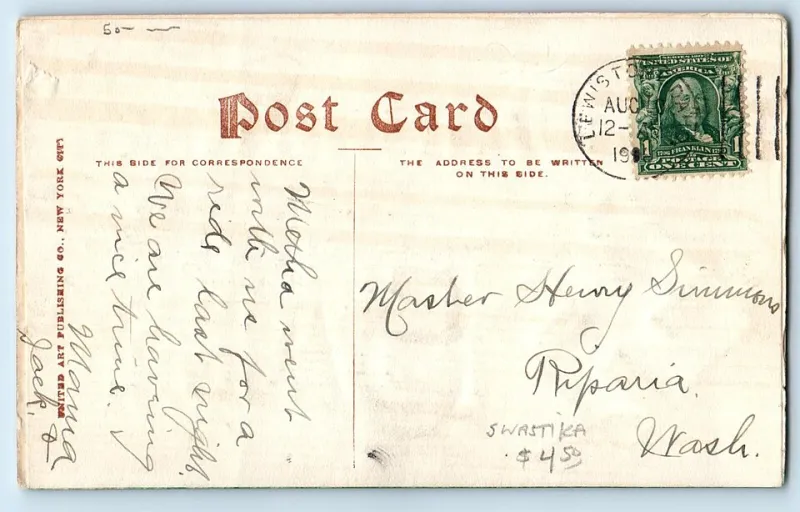
Photo: Unknown (unidentified) designer, Public domain, via Wikimedia Commons
The Printer Who Couldn't Sell His Christmas Cards Accidentally Built a $7 Billion American Ritual
Somewhere in America right now, someone is standing in a drugstore aisle, spending four minutes reading greeting cards for an occasion that, a hundred and fifty years ago, required no card whatsoever. Maybe it's a birthday. Maybe it's a get-well-soon. Maybe it's a card for a coworker's last day, or a neighbor's new puppy, or a cousin's graduation from a certification program nobody entirely understands. The card will cost somewhere between four and eight dollars. The recipient will read it, smile, and probably recycle it within the week.
This ritual feels ancient and inevitable. It is neither. The American greeting card industry was invented by accident, manufactured into a social obligation by one extraordinarily ambitious businessman, and is now worth approximately $7 billion a year. The story of how it got there is a masterclass in how commerce quietly rewrites what we consider polite.
It Began With a Surplus Problem in Boston
The year was 1874. A printer and lithographer named Louis Prang had built a successful business in Boston producing high-quality color prints — a technically demanding process at the time that Prang had mastered better than almost anyone in America. He'd already been selling his cards in England, where a small but growing market for printed Christmas greetings had developed following the introduction of the penny post in 1840. Cheaper postage meant sending a card was suddenly affordable for ordinary people, and the British had taken to it enthusiastically.
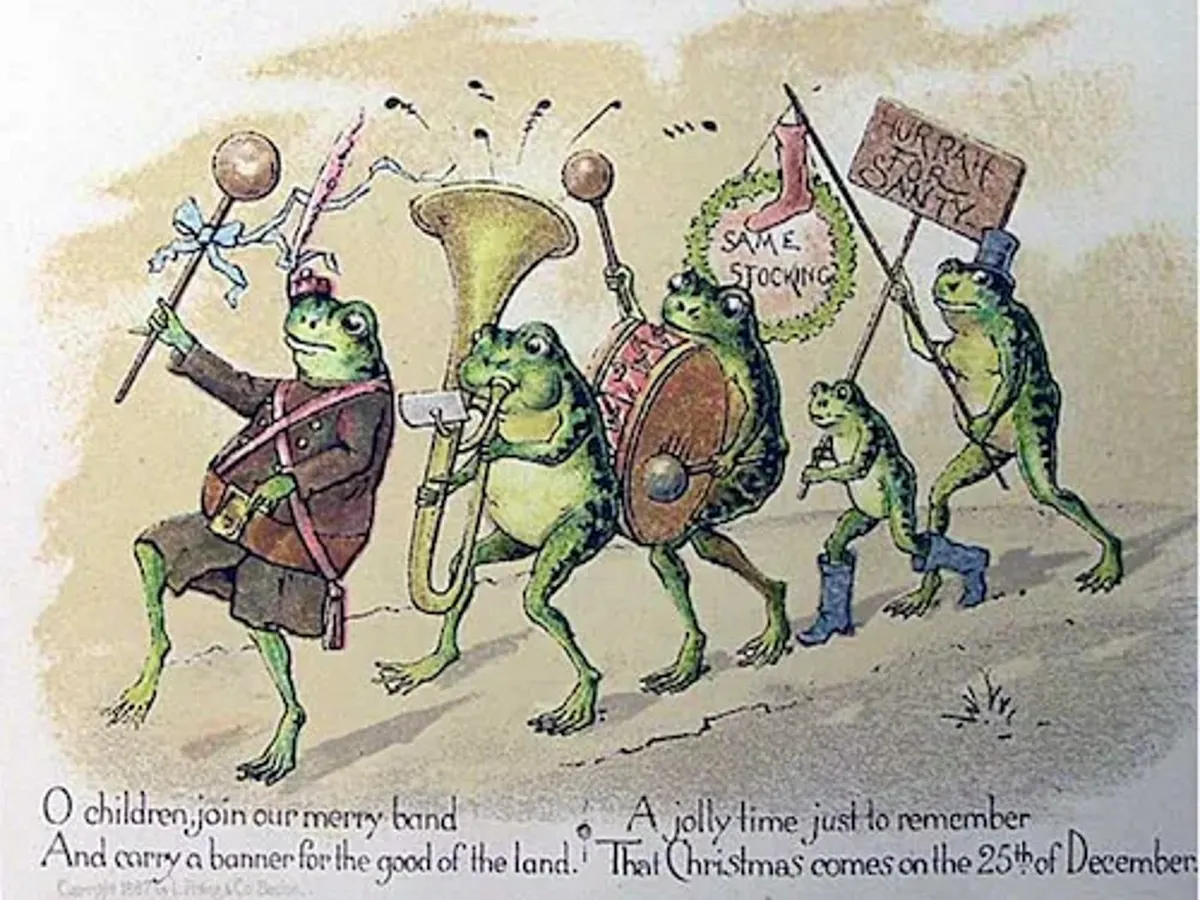 Photo: Louis Prang, via newenglandhistoricalsociety.com
Prang decided to bring the concept to America. He produced a run of elaborate, beautifully printed Christmas cards and put them on the market. The initial response was modest — Americans weren't in the habit of sending printed holiday greetings, and the idea needed time to catch on. What Prang had was time, determination, and a warehouse full of cards he needed to move.
He began running design competitions, offering cash prizes for the best card artwork and generating press coverage in the process. He marketed aggressively to women, who controlled most household social correspondence at the time. He positioned his cards not just as a product but as a demonstration of taste and affection — the quality of the card reflected the quality of the sentiment. By the 1880s, Prang's Christmas cards had become genuinely fashionable in American middle-class households, and he was selling millions of them annually.
Then cheaper German imports flooded the market in the 1890s, undercut his prices, and effectively destroyed his business. Prang exited the greeting card industry. But the habit he'd helped create didn't disappear. It was waiting for someone to pick it up and run much further with it.
Joyce Hall Arrived in Kansas City With $200 and a Shoebox
In 1910, an 18-year-old from Norfolk, Nebraska named Joyce Clyde Hall stepped off a train in Kansas City, Missouri, carrying a shoebox filled with picture postcards he planned to sell to local retailers. Hall had been running a small mail-order postcard business from his bedroom, and Kansas City, as a regional distribution hub, seemed like the right place to scale up.
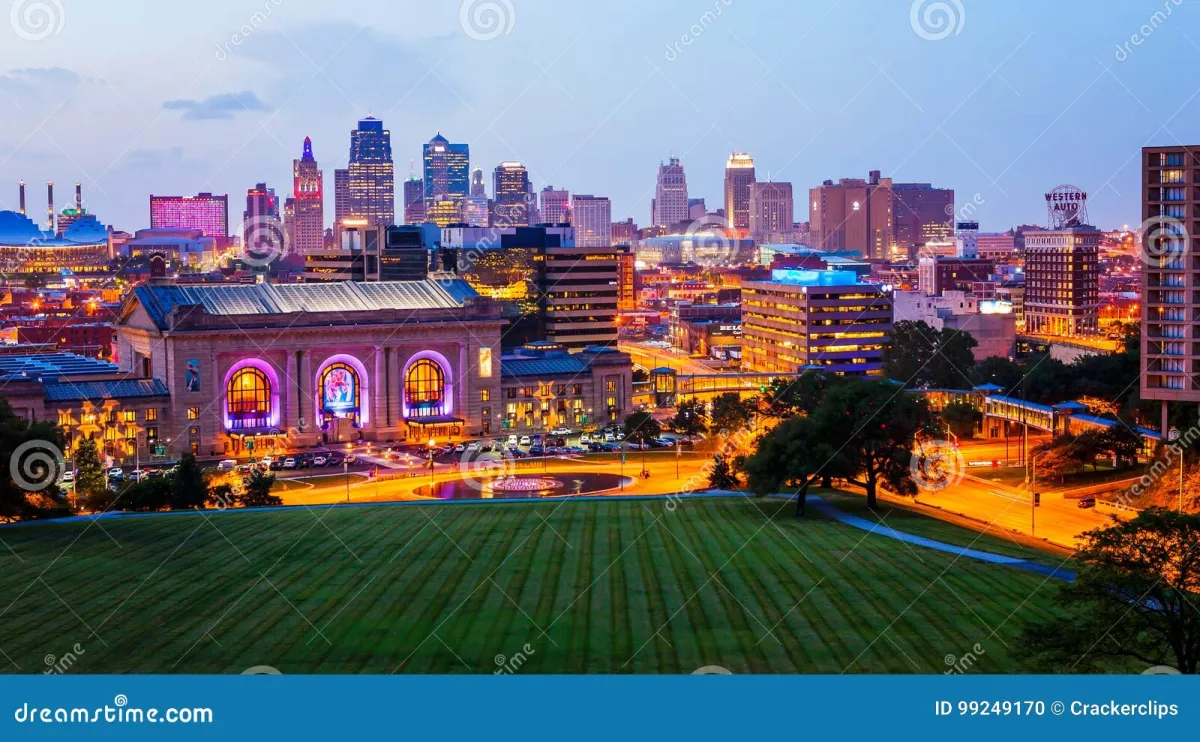 Photo: Kansas City, via thumbs.dreamstime.com
 Photo: Joyce Clyde Hall, via images.findagrave.com
He was right about that. Within a few years, he'd brought his brother Rollie into the business and they'd shifted from postcards to greeting cards — a more premium product with better margins. A warehouse fire in 1915 wiped out their entire inventory and left them deeply in debt. Hall responded by borrowing money and doubling down. He wasn't the type to interpret disaster as a signal to stop.
By the early 1920s, Hall Brothers (later renamed Hallmark in 1954) was one of the leading greeting card publishers in the country. But Hall wasn't satisfied with selling cards for Christmas and Valentine's Day. He had a much larger vision — one that required Americans to fundamentally change their behavior.
Manufacturing Obligation, One Occasion at a Time
Hall understood something that most businesspeople of his era hadn't fully grasped: the product he was selling wasn't paper and ink. It was social permission. The greeting card told the recipient that they mattered enough for you to make an effort — and it told the sender that they were a thoughtful, caring person who knew how to observe the proper rituals of relationship maintenance.
The challenge was that most of the occasions Hall wanted to sell cards for weren't considered card-sending occasions. Birthdays were acknowledged verbally, or with a visit, or sometimes with a small gift — but not with a purchased printed card. Mother's Day had only been established as a national holiday in 1914. Father's Day was even newer. Graduations, anniversaries, get-well wishes — these were handled through conversation and personal contact, not retail transactions.
Hall's genius was in repositioning all of these moments as occasions where not sending a card was a social failure. His marketing, his retail placement, his advertising — all of it worked to establish the greeting card as the minimum acceptable acknowledgment. A phone call was nice. A visit was better. But a card was the baseline. Without a card, you hadn't really acknowledged the occasion at all.
He pioneered the spinner rack display — those rotating towers of cards now found in virtually every drugstore, grocery store, and big-box retailer in America. The racks put cards in front of customers at the point of purchase, in stores they were already visiting for other reasons. You went in for aspirin and came out having remembered your aunt's birthday.
How a Printer's Surplus Became an Emotional Infrastructure
The industry Hall built didn't just sell paper. It built an entire framework for how Americans were expected to communicate care across distance and time. By the mid-20th century, Hallmark's famous tagline — "When you care enough to send the very best" — had embedded itself so deeply in American culture that it functioned almost as a moral statement. Caring and card-sending had become linked in a way that was commercially constructed but felt completely natural.
Today, Americans purchase approximately 6.5 billion greeting cards every year. The average household buys between 20 and 30 cards annually. There are cards for occasions that didn't exist as card-sending moments within living memory — cards for divorces, cards for coming out, cards for pets who have died. The industry has absorbed every new cultural moment and converted it into a retail category.
None of this was inevitable. Before Prang started lithographing Christmas scenes in Boston, before Hall started filling drugstore racks in Kansas City, the idea that you owed someone a purchased card for their birthday simply didn't exist. The obligation was invented, marketed, and sold — and then it became so embedded in American social life that forgetting to send a card now feels like a genuine lapse.
Louis Prang just needed to move some inventory. He had no idea what he was starting.