Two Ingredients, One Sandwich, Zero Class Barriers: How PB&J Conquered America
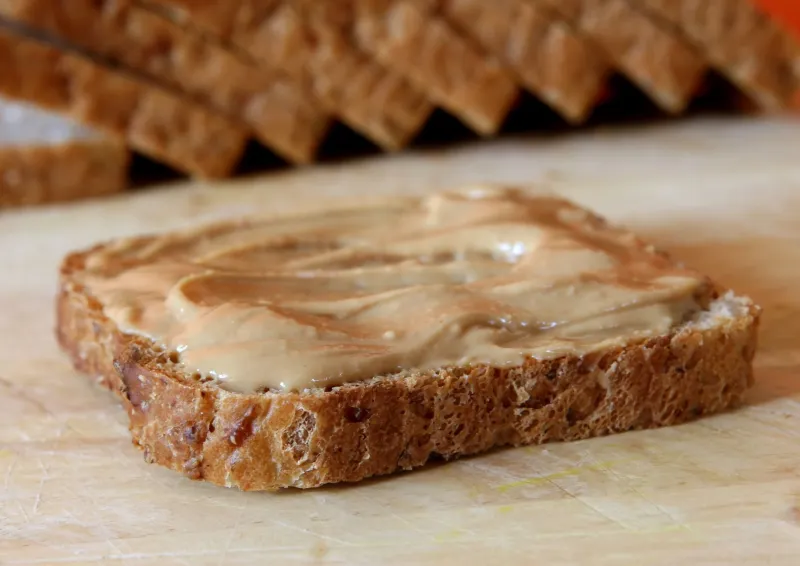
Open a school cafeteria anywhere in the United States and you'll find it. Packed in a Ziploc bag or wrapped in wax paper, slightly squished from the bottom of a backpack, utterly familiar. The peanut butter and jelly sandwich is so deeply embedded in American childhood that most people assume it's always been there — some ancient, inevitable combination that couldn't have turned out any other way.
It wasn't inevitable at all. It took a Depression, a world war, a suburban housing boom, and one very important invention by a Missouri baker to turn two separate ingredients into the most democratic food in American history.
Peanut Butter Was Not for Kids
When peanut butter first appeared at the 1904 St. Louis World's Fair, it was marketed as a health food for wealthy adults — specifically for people who couldn't chew meat properly. Dentists and sanitariums loved it. Children were barely in the picture.
 Photo: St. Louis World's Fair, via i.pinimg.com
For the next two decades, peanut butter stayed in that odd, upscale-but-medicinal corner of the grocery store. It was expensive to produce in consistent form, prone to separating into an oily mess, and generally considered a novelty. The working class didn't eat it regularly, and neither did children.
Jelly had its own complicated history. Home-canned preserves were a staple of rural American kitchens going back centuries, but commercial jelly — the kind that came in a jar, smooth and shelf-stable — didn't really exist at scale until the early 20th century. Even then, spreading two semi-solid substances onto bread and calling it a meal wasn't a cultural habit anyone had quite stumbled onto yet.
The Depression Changed Everything
When the economy collapsed in 1929, American families started doing something they'd always resisted: eating cheap, calorie-dense food without apology. Peanut butter, by then sold in more affordable commercial forms, suddenly made sense. It was protein. It lasted. It didn't require refrigeration. And it cost almost nothing per serving.
But it still needed something. Eaten plain on bread, peanut butter was dense, sticky, and hard to swallow — literally. Jelly solved the texture problem and added sweetness that made the whole thing palatable to children and adults alike. Families started combining them almost by necessity, not by culinary inspiration.
Still, the combination wasn't universal. It was regional, inconsistent, and eaten mostly by people who couldn't afford much else. For a sandwich to become a cultural institution, it needed a delivery system.
Sliced Bread Made It Possible
In 1928, a baker named Otto Frederick Rohwedder introduced commercially sliced bread in Chillicothe, Missouri. Within five years, sliced bread had transformed American eating habits in ways nobody fully anticipated. Sandwiches became easier to assemble. Portion sizes became predictable. And crucially, children could make their own lunch without adult supervision.
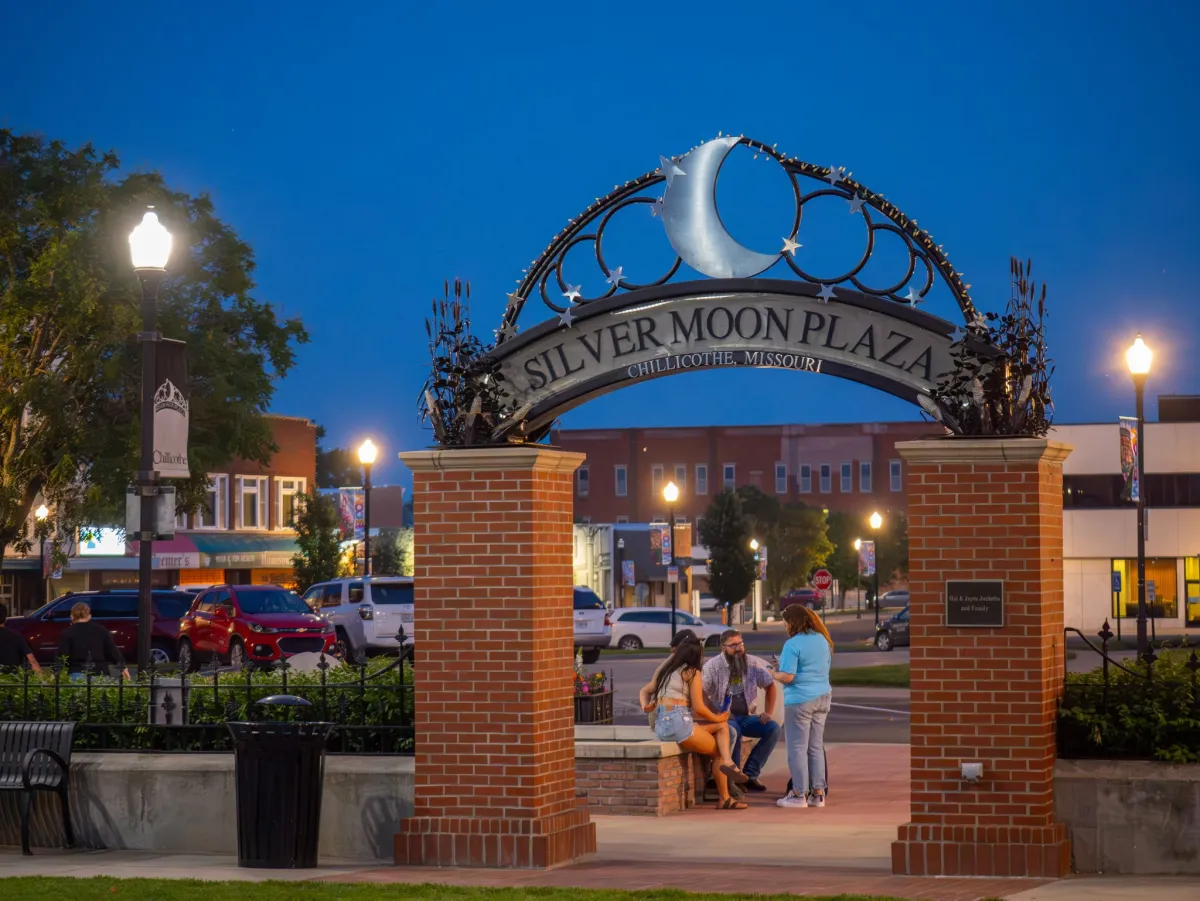 Photo: Chillicothe, Missouri, via visitchillicothe.com
That last part matters more than it sounds. The ability for a kid to open a refrigerator, grab two jars and a loaf of bread, and produce their own meal was genuinely new. PB&J was one of the only combinations where both components came from jars with no cooking required, no sharp tools needed, and almost no way to get it catastrophically wrong.
The Military Made It Mainstream
World War II finished the job. The U.S. military included both peanut butter and jelly in soldiers' ration kits — partly for nutrition, partly because both products were stable in field conditions. American GIs ate the combination thousands of miles from home and, critically, they liked it.
When those soldiers came back after 1945, they brought the habit with them. They were also coming home to a country in the middle of a suburban explosion. New houses, new schools, new neighborhoods — and millions of new mothers packing lunches for millions of kids every morning. PB&J was fast, cheap, and universally accepted by children. It required no planning, no cooking, and no cleanup beyond a butter knife.
School cafeteria culture did the rest. As public schools expanded through the 1950s and cafeteria programs standardized across the country, PB&J appeared on menus from Maine to California. Kids who'd never eaten it at home encountered it at school. Kids who ate it at home saw it validated at school. The feedback loop was complete.
Why It Crossed Every Line
Most American foods carry class signals. Lobster means something. So does a gas station hot dog. Regional foods carry geographic identity — you can read a lot about someone from whether they grew up eating grits or pierogies. PB&J somehow escaped all of that.
Part of the reason is its Depression-era origin. It was adopted out of necessity across income levels, not handed down from wealthy tables to working-class ones. Part of it is the school cafeteria effect, which created a shared childhood experience that cut across neighborhoods. And part of it is simply that children are the great equalizers — a four-year-old doesn't care about class signaling, and the food they grow up loving tends to stay with them regardless of where life takes them.
Today, Americans eat roughly 2.5 billion PB&J sandwiches every year. It appears in the lunchboxes of investment bankers' kids and in the backpacks of kids whose families are scraping by. It's served at White House state dinners as a nostalgic nod and sold at ballparks as a comfort option.
No marketing campaign created that. A Depression made it necessary. A war made it normal. A generation of suburban parents made it automatic. And somewhere along the way, it stopped being food and started being memory.